The monsoon does not pause the cooling problem, it changes it: humidity replaces dry heat as the enemy, and systems sized and set for June meet a different exam in July.
Problem: The monsoon does not pause the cooling problem, it changes it: humidity replaces dry heat as the enemy, and systems sized and set for June meet a different exam in July.
Solution: Prepare on three fronts - the cooler's changeover, the refrigerated system's humidity behavior, and dust discipline after every storm.
When to call: Call when the house turns clammy for days, when a cooler home has no humid-season plan by July, or when storm damage - water, dust, electrical - touches the equipment.
Around the Fourth of July, Tucson's weather changes its mind. The dewpoint climbs, the afternoon sky builds towers over the Catalinas, and the desert's driest city becomes, for six to eight weeks, a humid one. Everything about cooling that was true in June needs amending. This guide is the amendment: what the monsoon does to each kind of system, what it sends through the air, and the short list of preparations that separates the households that sail through it from the ones that simmer.
The Tucson Angle
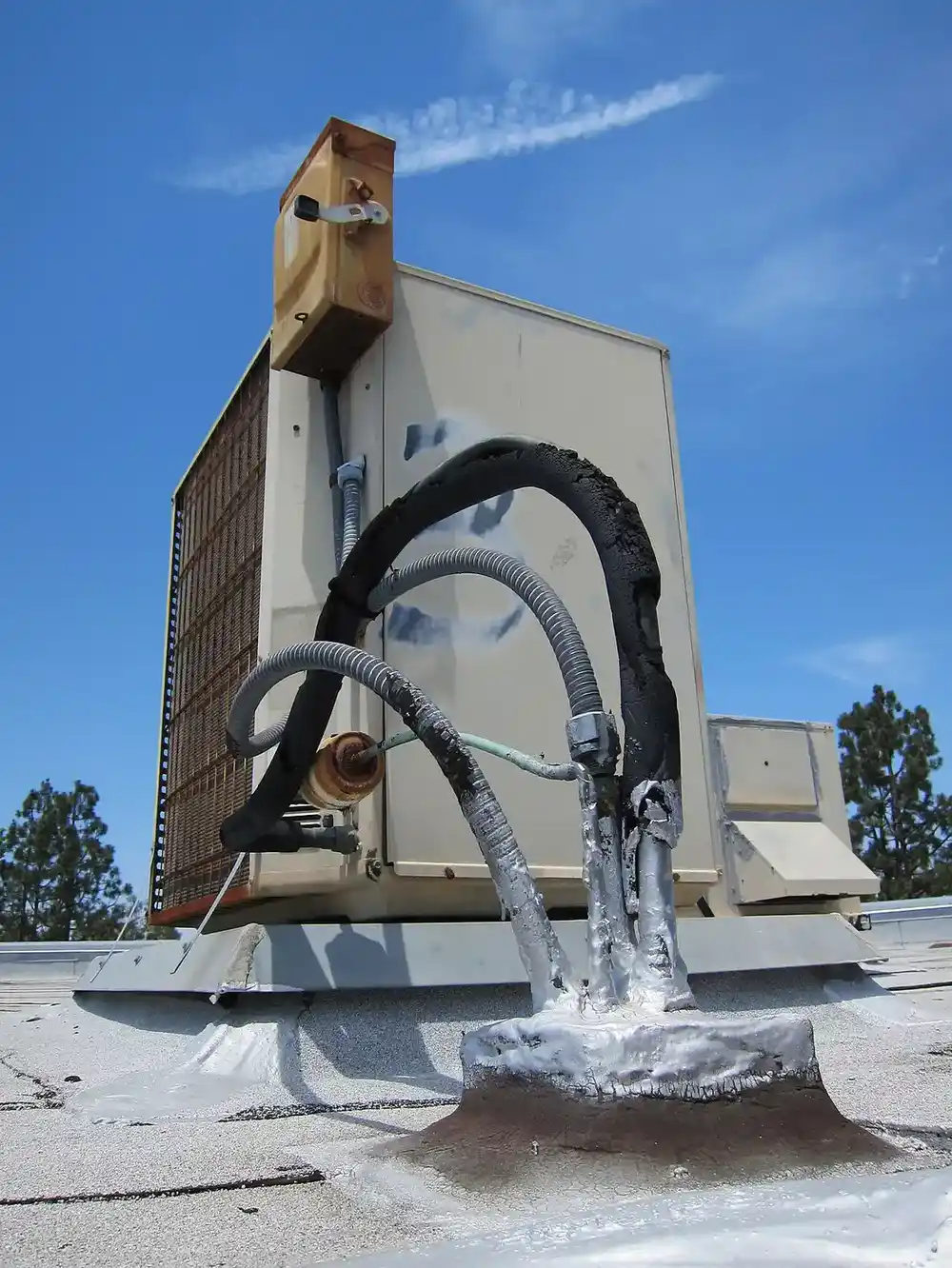
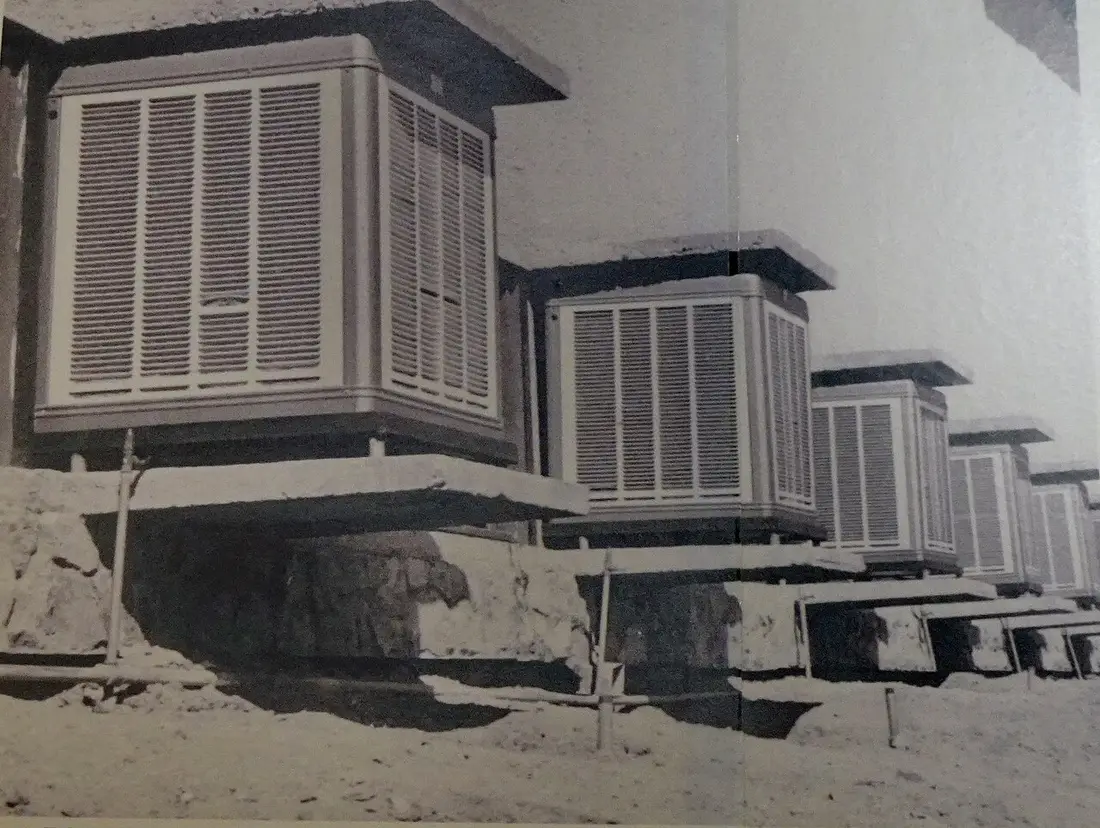
The equipment stock matches the city's history: evaporative coolers on the oldest adobe and postwar housing, rooftop package units on the flat-roofed brick ranches of midtown and the east side, split systems in the subdivision decades, and heat pumps across the newer master-planned communities. Each carries its own Tucson fate - the cooler's monsoon limits, the package unit's baked roof life, the split system's attic ducts - and the pages here are organized around exactly that.
Humidity: The New Opponent
A refrigerated system in June mostly fights temperature; in the monsoon it must also wring water out of the air, and it does that only while it runs. Oversized systems - already Tucson's common installation sin - short-cycle through humid weeks: the temperature satisfies quickly, the cycle ends, and the moisture stays. The result is the clammy house at a correct thermostat reading, and the fix is not a lower setpoint but longer, steadier cycles and honest sizing conversations.
Evaporative homes face the season's fork in the road. The cooler's physics retire when the humidity arrives; households choose among enduring the weeks, firing a refrigerated backup, or converting - and the households that chose in spring report a different August from the ones still choosing in it. Either way, the cooler itself needs its changeover care: pads and pans at monsoon's end carry a wet season's growth, and the fall shutdown is where next spring's smells are prevented.
Dust, Storms and the Equipment Outside
Monsoon weather arrives violently: outflow boundaries and haboobs push walls of dust across the valley ahead of the rain, and every outdoor coil in Tucson wears the evidence by morning. A coil felted with dust works its compressor harder through exactly the weeks the machine can least afford it - the gentle rinse after major dust events is the season's simplest maintenance, repeated as often as the sky repeats itself.
The storms also test the electrical neighborhood: surges and flickers around lightning season are hard on boards and motors, and the season's failures cluster after storm nights as faithfully as June's cluster after heat. A system that behaves strangely after a storm night - cycling oddly, forgetting its settings, a fan that will not start - is reporting weather, and it deserves the same prompt reading as any June failure, because monsoon heat with humidity on top is the year's least forgiving cooling weather.
PROBLEM
→
SOLUTION
Reading the Season's First Week
The monsoon's first humid week is a diagnostic gift: it tests drying behavior, drain capacity and the household's plan all at once, while the season is still young enough to fix what it finds. Owners who treat that week as an inspection - indoor humidity watched, cycles listened to, the cooler's changeover actually executed - convert the whole season from an endurance event into a managed one.
The same week tests the house's water paths: gutters, roof penetrations and the condensate system all meet their year's highest loads together. The stain that appears in week one and gets read is a finding; the one ignored until September is a renovation.
The Season Nobody Budgets: Late Monsoon
By late August the season's failures have a pattern: drains that clogged at peak condensate load, coils that wore a summer of dust into the humidity, cooler pans that grew a wet season's biology, and households whose changeover plan quietly never happened. The late-monsoon service call is a genre of its own - and almost every story in it was available as a spring decision at spring prices.
Which is the season's real lesson, and the reason this guide's steps are dated in spring: the monsoon is not weather to be endured but a second cooling season to be equipped for, with its own service logic, its own calendar and its own short list of preparations.
Myth vs Fact
The Myth
The monsoon is a break from cooling season - the hard part is over by July. The temperature chart agrees, and the humidity chart files a dissent that every Tucson household can feel.
VS
The Fact
The monsoon is a different cooling season, not a lesser one. Drying joins cooling as the system's job, drains run at their annual maximum, coolers retire from physics, and dust arrives by the wall. Households that re-equip for it in spring find it the most pleasant weeks of summer; households that do not, find August.
The Related Service, In Depth
Emergency work has an evidence clock that planned work does not. Failures settle, parts get swapped by helpful relatives, the breaker gets reset until it cannot testify anymore, and within days the system's story of its own breakdown is much harder to tell. The household that photographs the scene, notes the sequence and leaves the equipment as found gives the technician a case; the one that tidies up gives him a riddle.
That is the service side of this guide's subject. When you are ready, the Emergency HVAC Service page carries the process, the coverage by neighborhood and the number to call.
The Process, Step by Step
Make the humidity plan before July
Cooler changeover, backup refrigeration, or acceptance - decided in spring, with the equipment serviced for the choice made.
Check the refrigerated system's drying behavior
Long, steady cycles are the goal; short cycling in humid weather is a finding to report, not a quirk to tolerate.
Rinse coils after dust events
A gentle hose-down once the storm passes - the compressor's workload drops with the dust, visibly and immediately.
Close the season properly
At the monsoon's end: cooler shutdown done completely, drains and pans checked after the wet weeks, filters replaced for fall.
Prevention Checklist
Put the monsoon dates on the household calendar like any other season - the changeover is an appointment, not a mood.
Never run cooler and refrigerated systems together; the partnership works in shifts, never in chorus.
Watch indoor humidity during the humid weeks - a simple gauge turns clammy complaints into numbers a technician can act on.
After lightning-heavy nights, give the system one conscious check: normal sounds, normal cycles, settings intact.
Service the drain lines before the season - monsoon condensate volumes are the year's highest, and clogs file their claims in August.
A Field Checklist for Your Own Home
A simple indoor humidity gauge placed where the household lives - the season's decisions run on its number.
The cooler changeover date chosen and written down before the dewpoint makes the choice for you.
Coil rinse equipment staged
a hose that reaches the outdoor unit is the season's whole toolkit for dust.
Drain line's exit point found and known - when August tests it, you will want to check it in the dark, in the rain.
What the Paperwork Should Show
When you request a monsoon preparation visit, expect the season read as its own service: condensate capacity checked at its coming maximum, drying behavior assessed - cycle lengths and humidity removal - the cooler changeover executed or scheduled, and the outdoor unit's storm clearances and coil condition set for the dust months.
You should also receive the household briefing: what normal looks like in humid weeks, which readings justify a call, and the end-of-season shutdown list - so the season is run by the plan, not by the weather's surprises.
How a Professional Works This Problem
A professional monsoon preparation is dated and specific: the cooler's changeover or service completed before the dewpoint climbs, the refrigerated system's drying behavior checked - cycle lengths, drain capacity at peak condensate load - and the household's humidity expectations set with a gauge's numbers rather than July's feelings. The visit ends with the season's plan in the household's hands, not just the equipment's.
Mistakes That Make It Worse
Running cooler and refrigerated systems together 'for extra cooling': The cooler imports the humidity the AC is paid to remove; the two fight to a draw at double cost.
Ignoring the clammy house because the thermostat reads right: Humidity is a finding with remedies; tolerated all season, it becomes the house's smell and the system's story.
Letting the condensate drain go unexamined into peak season: August is when clogs file their claims, through ceilings.
Skipping the post-storm coil rinse because the rain 'washed it': Rain follows the dust wall, and what it leaves on the coil is mud, not cleanliness.
The Bottom Line
The monsoon rewards the households that treat it as a season with a start date rather than a mood. Prepare the changeover, watch the humidity number, rinse the dust, and the desert's wet weeks become what they are for the ready: the most dramatic, and some of the most comfortable, of the Tucson year.
Desert winter heating is a night problem: mild days forgive everything, and radiational-cooling nights after clear days expose every weakness in equipment and envelope alike.
Why does my house feel clammy even though the AC is running?
Because cooling and drying are different jobs and your system is finishing the first too quickly. Short cycles - usually an oversized system, sometimes a thermostat's placement or settings - satisfy the temperature before the coil has run long enough to drain the air. The remedies scale from settings to airflow to an honest sizing conversation, in that order of expense.
When exactly should a cooler home make the changeover?
By the dewpoint, not the date: when overnight air stays humid and the cooler's output stops feeling like relief, the season has turned - in most years, somewhere around early July. The households that watch the number make the call in a morning; the ones that wait for misery make it in the third sleepless week.
Is it normal for my AC to run almost constantly during the monsoon?
Long runs in extreme, humid weather are a healthy system's signature, not a symptom - steady operation dries air and holds temperature efficiently. The patterns that deserve a call are different: losing ground hour by hour, icing, short frantic cycles, or a house that never dries. Constancy is fine; futility is the finding.
Should I cover the outdoor unit during dust storms?
No - a cover on a running system traps heat and moisture where the machine can least use them, and the dust it excludes is the dust a rinse removes in minutes. The correct post-storm ritual is the gentle coil rinse and a glance at the unit's clearance. Covers belong to long winter storage in cold climates; Tucson's units work year-round and should dress for it.
Please note: Tucson HVAC Pros is an independent directory and referral service, not an HVAC contractor. The professionals reachable through this site are independent businesses; any agreement for work is between you and the professional you engage. Service information on this site is general educational material - the scope of any real HVAC work is set by an on-site inspection.
An AC That Quit in the Heat, a Room That Will Not Cool or a System Due for Service?
One call connects you with an HVAC professional serving Tucson and the surrounding communities - assessment, repair, service and installation.