AC Maintenance & Tune-Ups Through the Tucson Year
Tucson winters are mild with sharp edges: bright days in the sixties and seventies, desert nights that can drop below freezing, and cold snaps that test heat pumps and furnaces that slept all summer. Winter is a good service season here - heating checks, duct work and planned replacements happen without the summer queue - and the systems read in winter get their fixes long before the spring heat starts its own inspection.
Fall is the assessment and planning window. The brutal season is past, the equipment has just told you exactly what condition it is in by how it survived, and there is time to repair what limped, replace what failed on paper, and plan the work before next June writes the exam again. It is also when honest HVAC advice happens, because a system inspected in October is being judged on evidence, not on hope.
Summer splits in two: the dry furnace of June and early July, when the heat is at its peak and systems run from mid-morning to past midnight, and the monsoon weeks that follow, when humidity joins the heat and the failure mode changes. Most breakdowns are discovered in summer - the wear happened across a decade of summers, and the hottest week is simply when the margin runs out. Shade, airflow and a clean coil are the season's quiet essentials.
AC Maintenance & Tune-Ups in Depth
Maintenance rewards owners who think in finishes. The same visit can be a hose-down and a filter - the appearance of service - or a measured examination that produces numbers: charge against specification, airflow against design, electrical values against their ratings, last year's figures beside this year's. The first is a ritual. The second is how a compressor's bad summer gets rescheduled into a spring line item.
The record is the second product. A system with five years of service numbers has a biography a technician can read at a glance - the slow charge decline that says leak, the airflow trend that says duct change, the electrical drift that says a part is aging on schedule. Owners who keep that file make every future decision - repair, replace, sell, buy - from evidence, and the file begins with the first visit that bothers to write numbers down.
Choosing the Right Help
Choosing a maintenance service is choosing what the word means. Ask for the visit's checklist in advance - which numbers get measured, which get recorded, and whether you receive them. A service whose tune-up produces a record is selling diagnosis; one whose produces only a receipt is selling the appearance of it, at a price that will be collected in June.
The Climate Behind It
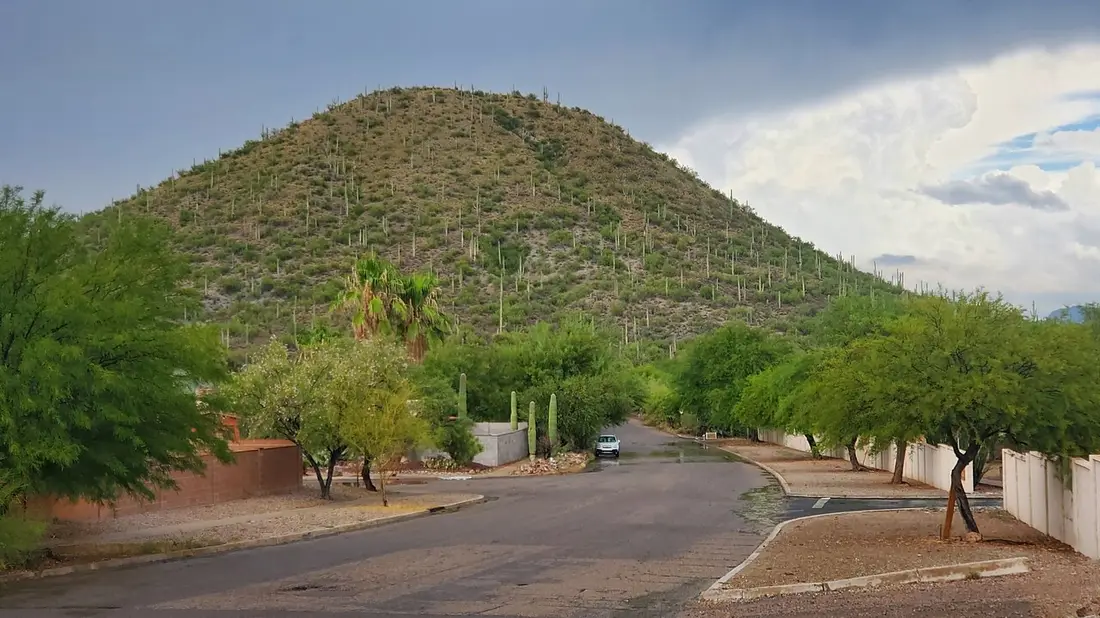
Tucson sits in the Sonoran Desert at the meeting of five mountain ranges, and the desert writes the cooling calendar here: a long, fierce summer in which June afternoons pass 110 degrees, a monsoon season that trades dry heat for humid heat overnight, and winters mild enough that heating is a supporting act. An air conditioner in Tucson is not a comfort appliance - for a large part of the year it is the system the house cannot be lived in without.
Heat load is the signature force. A Tucson roof in June absorbs sun from before nine until after six, attic temperatures climb far past anything the equipment below was tested at, and west-facing glass turns rooms into solar ovens by late afternoon. A system's real rating in this city is not its nameplate - it is what it still delivers at four in the afternoon in the third week of June, after a decade of desert summers.
How AC Maintenance & Tune-Ups Works
Clean what the desert filled
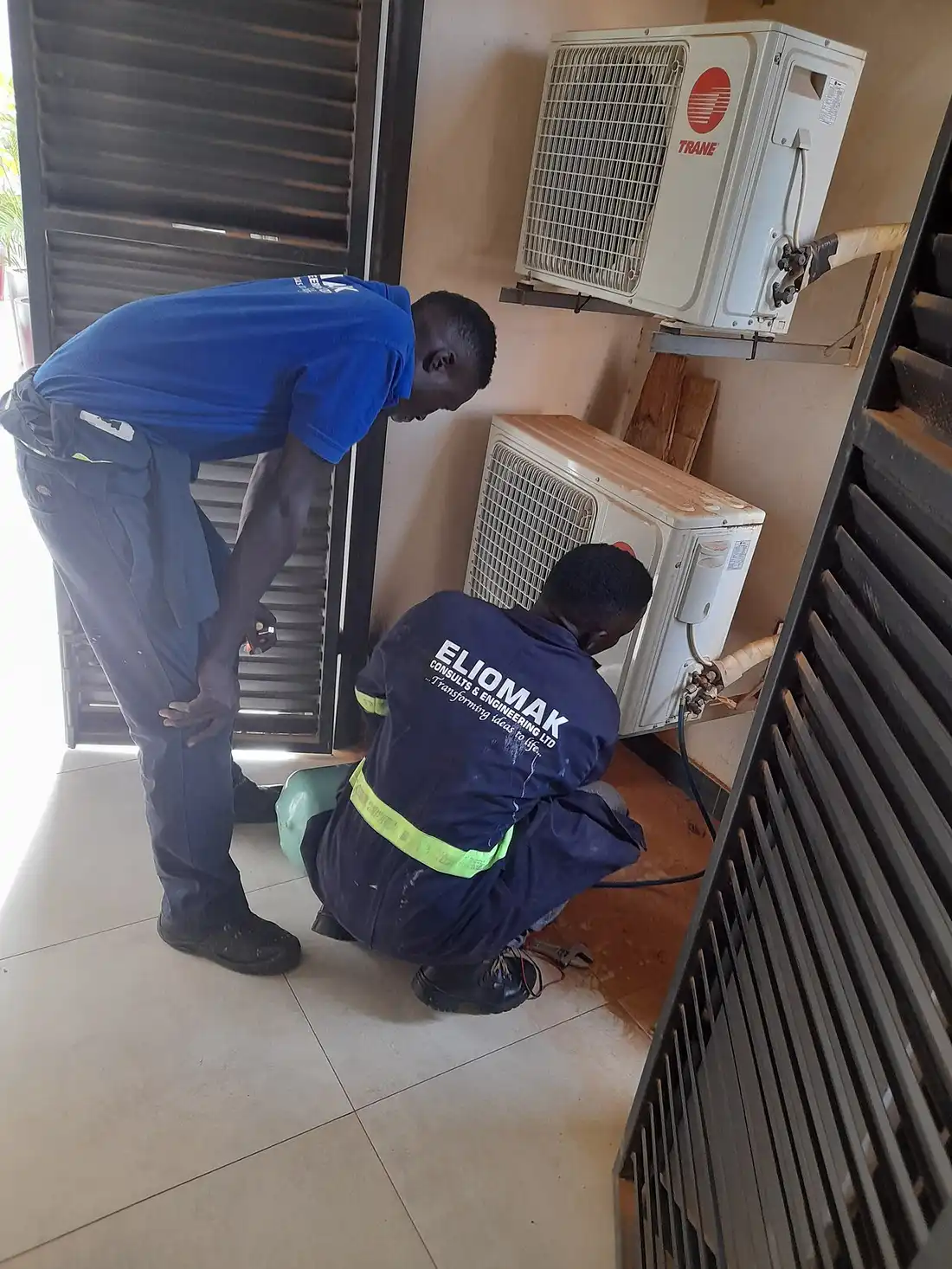
Coils washed, filter replaced or specified, drain line cleared and tested - the airflow path restored end to end.
Measure the working numbers
Charge, temperature splits, airflow and electrical values are taken and recorded against specification.
Test the parts that fail in June
Capacitors, contactors, motors and controls are checked under load - the heat wave's usual suspects, examined while they can still be scheduled.
Leave a record and a read
You get this year's numbers, the comparison with last year where it exists, and a plain statement of the system's condition and outlook.
Doing It Yourself vs a Professional
The DIY Route
- A 'tune-up' that means hosing the unit and changing the filter skips everything that predicts failure - charge, airflow and electrics stay unmeasured
- Skipping service because the system 'works fine' mistakes the symptom-free season for the healthy one
- Letting a reported weak capacitor ride 'one more summer' schedules its failure for the hottest weekend of the year
VS
The Professional Route
- Measures and records the numbers - this year's visit is next year's baseline
- Reports condition honestly, including when the honest report is that the system's pattern says replacement planning
- Times the work to the desert calendar and says plainly what the visit can and cannot promise
Keep It From Coming Back
The annual visit is the anchor; these habits are what happens between visits, and they are the difference between a tune-up that confirms health and one that delivers news.
- Book the tune-up in March or April - the valley's good intentions all arrive in May, and the schedule fills.
- Keep your own filter rhythm between visits; the technician's annual record cannot fix eleven months of clogged filter.
- Save every service record in one place - the trend across years is the most valuable diagnostic your system owns.
- Rinse the outdoor coil gently after major dust storms, even between services.
- Act on the small findings the same season they are reported; a tune-up's warnings have a shelf life of one summer.