Tucson HVAC Services

Heating Repair in Tucson, AZ

Heating repair in Tucson - furnaces and heat pumps that quit on desert cold snaps, short-cycle, or blow cold when the night turns, diagnosed and repaired for the valley's short, sharp heating season.

The monsoon is the second force, and it changes the problem rather than pausing it. From July into September the humidity arrives with the storms, evaporative coolers lose their edge exactly when the heat is still high, and refrigerated systems suddenly carry a moisture load they never see in May. Dust rides the same storms - haboobs and outflow winds cake outdoor coils and load filters in a single evening.

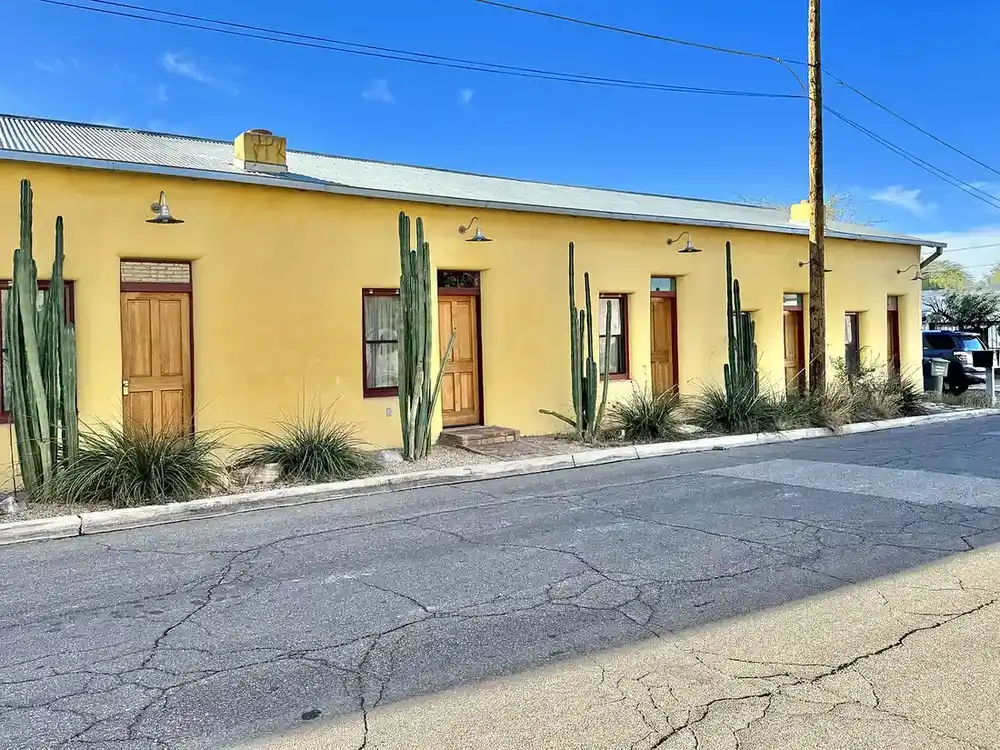
The equipment stock matches the city's history: evaporative coolers on the oldest adobe and postwar housing, rooftop package units on the flat-roofed brick ranches of midtown and the east side, split systems in the subdivision decades, and heat pumps across the newer master-planned communities. Each carries its own Tucson fate - the cooler's monsoon limits, the package unit's baked roof life, the split system's attic ducts - and the pages here are organized around exactly that.

Signs You Need Heating Repair

The furnace starts, then quits

A burner that lights and dies within minutes is protecting itself - flame sensing, airflow or a limit switch is interrupting the cycle, and each restart repeats the stress.

The heat pump blows cool air

Air that feels lukewarm or cold from a heat pump in heating mode points to charge, reversing valve or defrost problems - or a system that has quietly been running on backup heat for weeks.

The power or gas bill jumped in winter

A heating system working around a fault spends fuel doing it. Backup electric heat running nonstop is the valley's classic silent bill - the house stays warm while the meter spins.

Short cycles on cold nights

Heat that starts and stops every few minutes never settles the house and wears the equipment doing it - controls, sizing or airflow are the usual authors.

Strange smells at first fire-up

A brief dust smell on the season's first run is normal in the desert. Persistent burning, acrid or gas smells are not - those are shut-it-down-and-call symptoms, every time.

One cold room, again

The room that never warms is usually the room that never cools either - the duct run or return serving it is the problem, and heating season is when it gets noticed.

Why Heating Repair Is a Standing Job in Tucson

Tucson's heating season is short enough that its failures hide. A furnace can be broken from March to December without anyone knowing; the discovery arrives with the first cold snap, valley-wide, on the same night - which is why heating repair demand here spikes like a summer breakdown, just in January instead of June.

Heat pumps carry most of the valley's newer heating, and they work both sides of the year - which means their heating faults often begin as summer inefficiencies nobody chased: a slow refrigerant leak, a reversing valve starting to stick, controls drifting. The winter repair visit that reads the system's whole year fixes more than the winter symptom.

Safety frames everything in gas heating: combustion, venting and carbon monoxide are checked, not assumed. Desert houses add their own wrinkles - furnaces in garages and closets breathing dusty air, attic units over bedrooms. The repair that restores heat without the safety read is only half a repair.

Heating Repair Through the Tucson Year

Summer splits in two: the dry furnace of June and early July, when the heat is at its peak and systems run from mid-morning to past midnight, and the monsoon weeks that follow, when humidity joins the heat and the failure mode changes. Most breakdowns are discovered in summer - the wear happened across a decade of summers, and the hottest week is simply when the margin runs out. Shade, airflow and a clean coil are the season's quiet essentials.

Fall is the assessment and planning window. The brutal season is past, the equipment has just told you exactly what condition it is in by how it survived, and there is time to repair what limped, replace what failed on paper, and plan the work before next June writes the exam again. It is also when honest HVAC advice happens, because a system inspected in October is being judged on evidence, not on hope.

Spring is the preparation season in Tucson, and everyone who has lived through a June here knows it. March through May is when systems get their honest read: refrigerant charge, airflow, duct condition, cooler pads and pumps - while the weather is still mild enough that a discovered problem is an appointment, not an emergency. The first 100-degree day usually arrives before May is out, and it collects every debt the spring skipped.

Heating Repair in Depth

Heating repair in the desert runs on an evidence problem other climates do not have: the patient rests eight months a year, so its history is thin and its faults are discovered all at once, valley-wide, on the first cold night. The technician's craft is reconstruction - reading a machine with almost no recent past, from its wear patterns, its safety devices' testimony, and the one cold evening's behavior.

Safety is the second discipline, and it is not boilerplate. A furnace concentrates combustion, gas and carbon monoxide inside the envelope of a home, and its long rest means connections, vents and exchangers age unobserved. The repair culture that treats the safety read as the first half of every heating job - not an upsell, not an extra - is the one a desert household should keep, because the failures it prevents do not send warnings.

Choosing the Right Help

Choosing heating help in a warm city has a particular trap: the trade's attention here lives on cooling, and heating craft varies. Ask about the safety protocol - combustion, venting and carbon monoxide checks - and whether it is part of every heating visit. The answer separates the services that treat your furnace as a heating system from the ones that treat it as an afterthought.

The Climate Behind It

Tucson sits in the Sonoran Desert at the meeting of five mountain ranges, and the desert writes the cooling calendar here: a long, fierce summer in which June afternoons pass 110 degrees, a monsoon season that trades dry heat for humid heat overnight, and winters mild enough that heating is a supporting act. An air conditioner in Tucson is not a comfort appliance - for a large part of the year it is the system the house cannot be lived in without.

Heat load is the signature force. A Tucson roof in June absorbs sun from before nine until after six, attic temperatures climb far past anything the equipment below was tested at, and west-facing glass turns rooms into solar ovens by late afternoon. A system's real rating in this city is not its nameplate - it is what it still delivers at four in the afternoon in the third week of June, after a decade of desert summers.

How Heating Repair Works

Start with safety

Combustion, venting and carbon monoxide checks come before comfort - a gas appliance earns its restart, it does not assume it.

Run the failure

The system is cycled and watched through its fault - ignition sequence, defrost, backup heat - until the failure shows itself on instruments, not just in the story.

Name the fault and the scope

You hear what failed, what it stressed, and the repair scope, before work begins.

Verify through a full heating cycle

The fix is confirmed across complete cycles - start-up, steady heat, defrost where fitted - before the visit ends.

Doing It Yourself vs a Professional

The DIY Route

  • Relighting or bypassing a furnace safety control to 'get through the night' defeats the device that stands between a fault and a fire
  • Assuming cool-feeling air means a dead heat pump can mean weeks of full-price backup heat while the real fault is small
  • Cleaning a flame sensor with abrasives scores the surface and shortens its life - the gentle version of this job is a technician's two minutes
VS

The Professional Route

  • Checks combustion and carbon monoxide safety as part of every heating repair, not as an extra
  • Reads the heat pump's whole year - cooling history included - before naming the winter fault
  • Verifies the repair across full cycles, including defrost, before leaving

Keep It From Coming Back

Heating failures in the desert hide for eight months and announce themselves in one night. The habits below surface them in October, when they are still appointments.

  • Fire the heating up in October, on a mild evening, and let it run a full cycle - faults found then are appointments, not emergencies.
  • Change the filter before heating season; the same clogged filter starves a furnace exactly as it starves cooling.
  • Keep a working carbon monoxide alarm near sleeping areas - cheap insurance for any gas appliance.
  • If the heat pump's air starts feeling cooler than usual, call early - weeks of silent backup-heat running is the expensive version.
  • Note the system's behavior on the first cold night each year; the change from last year is the earliest diagnostic you own.
Heating Repair in the Surrounding Communities

The communities around Tucson share its heat and its monsoon - with their own twists of elevation, housing age and desert-edge exposure.

Heating Repair in Corona de Tucson

Corona de Tucson is the quiet community on the Santa Rita Mountains' north slope, south of the city along the road to Sonoita: 1970s ranchettes joined by newer subdivisions, all facing north across the whole Tucson valley. Nights cool faster here than anywhere on this list - elevation and open slope see to that.

Heating Repair in Sahuarita

Sahuarita is the fast-growing town twenty minutes south on I-19: Rancho Sahuarita's lake-centered master plan, newer subdivisions along the Santa Cruz valley, and pecan country toward Green Valley. It has grown from ranch land to a full suburb in a generation, and its rooftops are correspondingly young.

Heating Repair in Green Valley

Green Valley is the valley's retirement country: a 55-plus community of single-story homes, townhouses and patio homes built from the 1960s onward below the Santa Ritas, famous for its recreation centers and its seasonal residents. Summer empties a share of its streets as winter visitors leave - and the houses they leave behind still face the full desert summer.

Heating Repair in Catalina

Catalina spreads across the high plain north of the Santa Catalina Mountains: the SaddleBrooke retirement communities, the older ranching settlement along Oracle Road, and new subdivisions at the range's feet. At a higher elevation than the city, it trades a few degrees of heat for long views of the range's whole northern face.

Where Heating Repair Is Needed Most

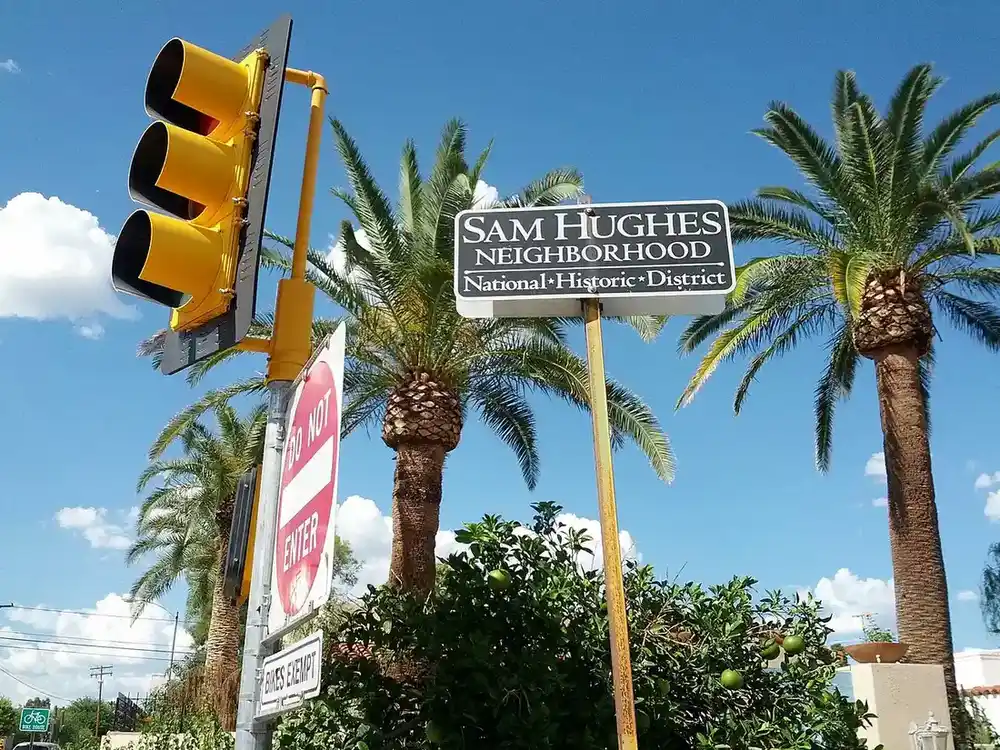
In the historic core and the central neighborhoods - Downtown Tucson, Barrio Viejo, Armory Park, University Area, Sam Hughes and Midtown Tucson, Menlo Park, South Tucson, Eastside Tucson, Tanque Verde - the equipment runs from the valley's oldest rooftop package units and surviving swamp coolers to the split systems of the postwar subdivisions, and heating repair follows that record: legacy equipment care on the older streets, first-replacement decisions in the subdivisions, and heat exposure that grows toward the open edges.

Across the east side, the foothills and the northwest growth side - Catalina Foothills, Sabino Canyon Area, Casas Adobes, Flowing Wells, Northwest Tucson, Oro Valley and Marana, Picture Rocks, Drexel Heights, Valencia West, Rita Ranch, Vail - sit the subdivision waves of the 1970s onward, the foothills' custom stock and some of the valley's heaviest cooling loads, which together make this the steadiest heating repair territory in the city.

Beyond the city line, the same work runs in Corona de Tucson, Sahuarita, Green Valley, Catalina, Three Points, Avra Valley - fast-growing suburbs, retirement communities and desert-edge towns where elevation, acreage homes and wide-open exposure add their own chapters. Every one of these area pages carries the local detail for heating repair in that community.

Coverage, In Full

Heating Repair runs across the whole service map: Downtown Tucson, Barrio Viejo and Armory Park; the University Area and Sam Hughes; Midtown; Menlo Park and South Tucson; the Eastside; Tanque Verde and Sabino Canyon; the Catalina Foothills; Casas Adobes and Flowing Wells; Northwest Tucson; and beyond the city in Oro Valley, Marana, Picture Rocks, Drexel Heights, Valencia West, Rita Ranch, Vail, Corona de Tucson, Sahuarita, Green Valley, Catalina, Three Points and Avra Valley. One call covers all of it - the local pages above carry the detail for each. If your street is not named here, call anyway: routes grow with demand, and most Pima County addresses are already within reach of a scheduled run.

From the Tucson HVAC Guides

Heat Pumps in Tucson: A Homeowner's Guide

A heat pump is one machine doing the work of an air conditioner and a furnace - and Tucson's mild winters sit almost exactly in its efficient range. Judge it as a two-season system: size and charge for both duties, understand defrost and backup heat, and service both modes every year.

Read the Guide

How Long Does an AC Last in Tucson's Desert Heat?

Desert duty spends equipment faster than the national lifespan figures assume - run-hours, attic and rooftop heat, and dust are the three taxes every Tucson system pays. Read life by equipment type and by condition, not by birthday: the same model can honestly serve twelve years or twenty depending on installation and maintenance.

Read the Guide

Heating Repair Questions

How much heating does a Tucson home really need?

Less than almost anywhere - and more than newcomers expect. The valley's winter days are mild, but desert nights radiate heat away fast, and Tucson houses are built light. The cold snaps that reach the twenties are the design test, and a properly working system of modest size handles them; a neglected one struggles loudly.

Why do heat pumps here run their backup heat so often?

They should not. Backup heat is for defrost cycles and the coldest hours; a system living on it has a fault - low charge, a defrost problem, or controls that gave up early. The symptom is invisible from the couch and unmistakable on the power bill.

What heating fuels do Tucson homes use?

Natural gas furnaces across the older city, heat pumps across most newer construction, and electric furnaces and older oil or propane setups in outlying and older rural properties. The repair discipline differs by fuel; the safety discipline does not.

What affects the cost of a heating repair in Tucson?

The failed component, the fuel and system type, the system's age, and access - attic, closet, garage or rooftop. Because valley heating systems rest most of the year, the first step is a full run-and-inspect; real numbers follow that diagnosis, not a guess over the phone.

Why does my Tucson furnace run for a few minutes and stop?

That pattern - start, run briefly, stop, repeat - is a protection cycle. Flame sensors, limit switches and airflow faults all produce it. The furnace is not being stubborn; it is reporting a fault the safe way, and the repair reads which protection is speaking.

My heat pump in Tucson blows air that feels cold. Is it broken?

Maybe, maybe not. Heat pump air is cooler than furnace air by design - it heats gently rather than in blasts - so 'feels cool' alone is not a verdict. Air that gets colder over days, a unit icing heavily, or a winter bill that jumped says the system needs a look: charge and defrost faults are the usual finds.

Is a heating repair in Tucson worth it for a system this old?

Tucson heating systems live an unusual life: eight months of rest, two months of work. Age in years overstates their wear compared to cold-climate furnaces, so older valley systems are often honest repair candidates - the safety and condition read decides, and a cracked heat exchanger ends the discussion on the side of replacement, always.

What should I check before calling for heating help in Tucson?

Thermostat set to heat and above room temperature, a clean filter, the breaker, and - for a furnace - that the gas supply to the house is on. If you smell gas, or the carbon monoxide alarm sounds, leave the house and call from outside; that check outranks every other.

Please note: Tucson HVAC Pros is an independent directory and referral service, not an HVAC contractor. The professionals reachable through this site are independent businesses; any agreement for work is between you and the professional you engage. Service information on this site is general educational material - the scope of any real HVAC work is set by an on-site inspection.

An AC That Quit in the Heat, a Room That Will Not Cool or a System Due for Service?

One call connects you with an HVAC professional serving Tucson and the surrounding communities - assessment, repair, service and installation.

📞 Call Now
📞 Call Now