Tucson HVAC Services

Ductless Mini-Split Systems in Tucson, AZ

Ductless mini-split systems in Tucson - zoned cooling and heating for casitas, additions, garages and adobe homes where ducts never ran, installed and serviced for desert duty.

The monsoon is the second force, and it changes the problem rather than pausing it. From July into September the humidity arrives with the storms, evaporative coolers lose their edge exactly when the heat is still high, and refrigerated systems suddenly carry a moisture load they never see in May. Dust rides the same storms - haboobs and outflow winds cake outdoor coils and load filters in a single evening.

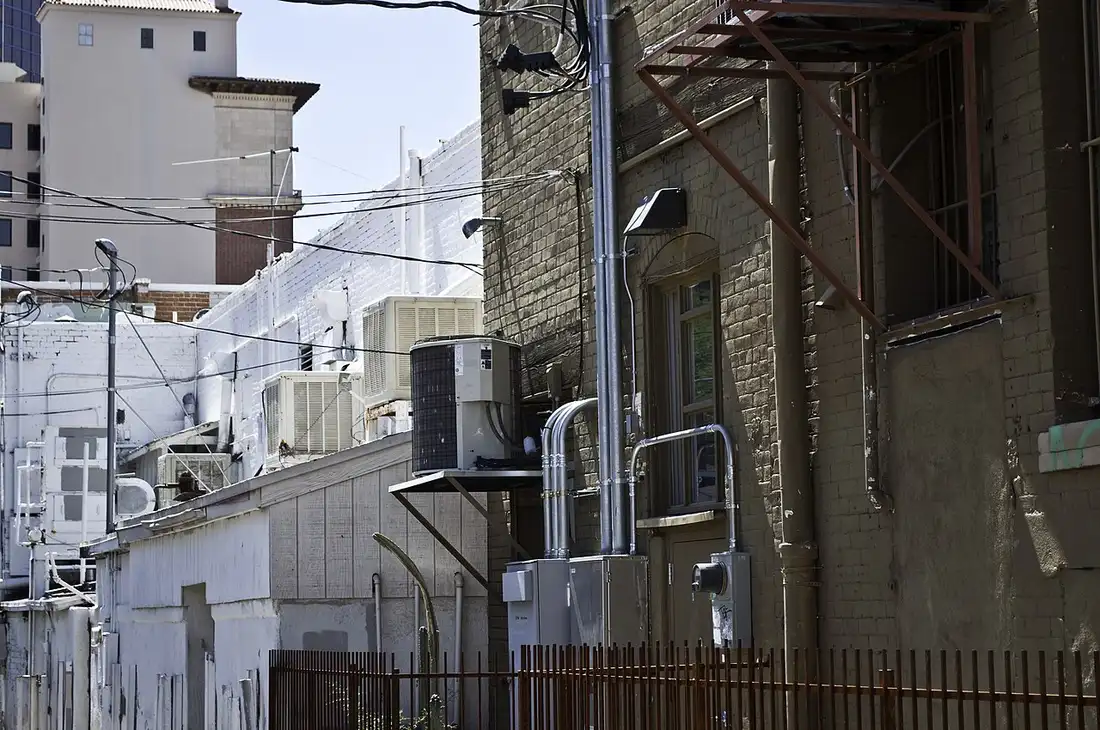
The equipment stock matches the city's history: evaporative coolers on the oldest adobe and postwar housing, rooftop package units on the flat-roofed brick ranches of midtown and the east side, split systems in the subdivision decades, and heat pumps across the newer master-planned communities. Each carries its own Tucson fate - the cooler's monsoon limits, the package unit's baked roof life, the split system's attic ducts - and the pages here are organized around exactly that.

Signs You Need Ductless Mini-Split Systems

A room or casita has never had real cooling

The space served by a window unit, a portable, or hope - a ductless zone is the permanent version of every temporary fix it has worn.

The addition does not match the house's comfort

The room added in another decade, on the end of a duct run designed for a smaller house, is the classic ductless candidate: its own zone ends its permanent compromise.

You cool the whole house to use one room

Garages, workshops, home offices and guest suites with part-time occupancy are where whole-house cooling wastes the most - and where a zone pays for itself in shoulder seasons.

Your mini-split is blowing weak or warm

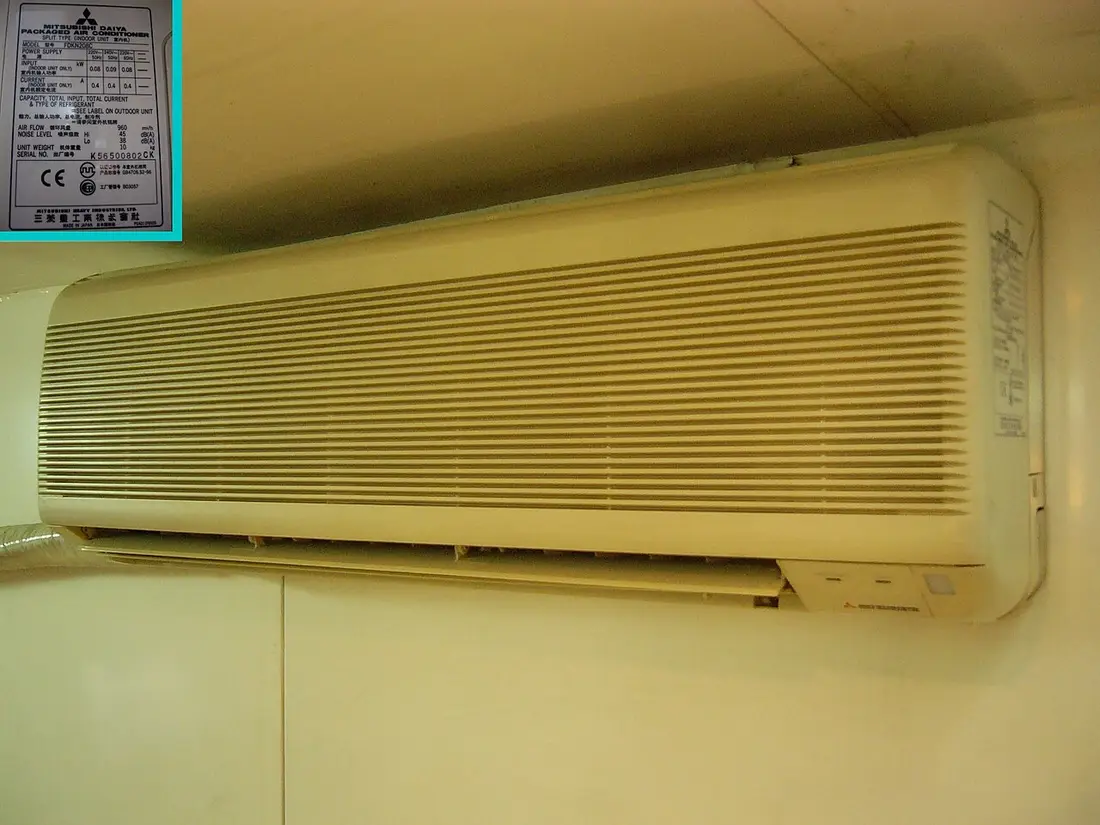
Ductless units report neglect through their filters and coils first - these machines move air through fine screens that load with desert dust faster than owners expect.

Water drips from the wall unit

A clogged condensate line is the mini-split's signature small failure: the unit keeps cooling while its drain backs up, until the wall reports it.

The outdoor unit is loud or icing

On a ductless system, new noise or frost points to airflow or charge - and because these systems meter refrigerant precisely, small errors show up early and honestly.

Why Ductless Mini-Split Systems Is a Standing Job in Tucson

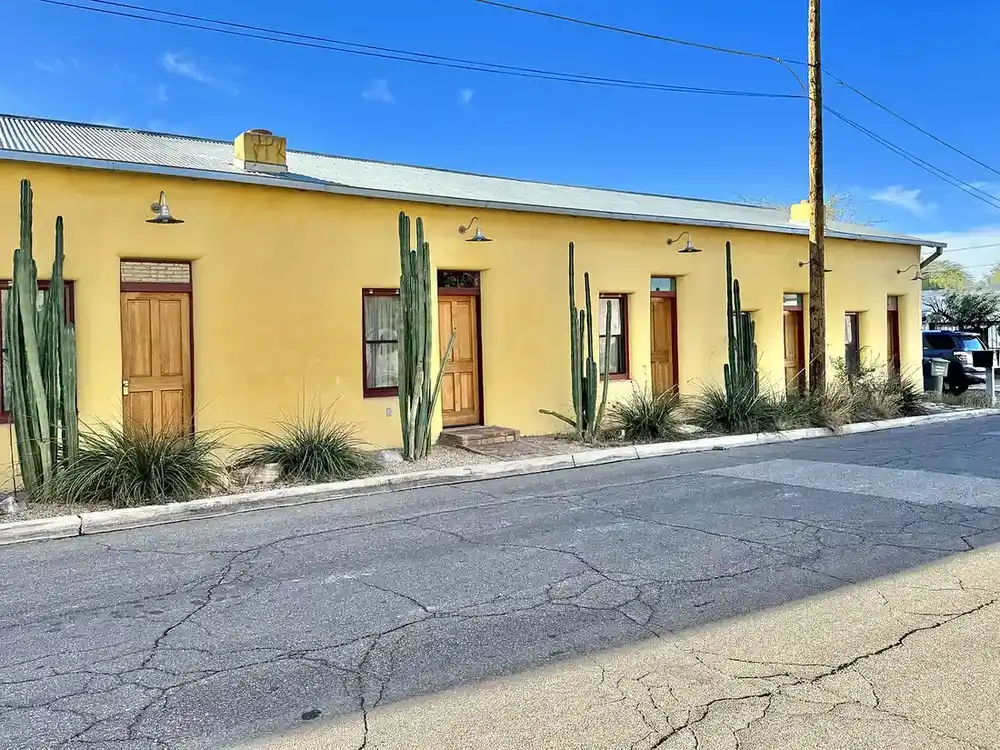
Tucson's housing stock is a ductless map waiting to be read: adobe neighborhoods where ducts were never designed in, foothills homes with additions stepping down slopes, casitas in every third backyard from the growth decades, and garages converted by owners who discovered the desert's opinion of unconditioned workspace. Each is a zone the original system cannot serve well and a mini-split serves exactly.

The desert writes its own installation rules. Outdoor units need shade strategy and clearance from dust-driving winds; line sets run through walls that bake; indoor heads must be placed for how cold air actually falls in a high-ceilinged room, not where the wall looks emptiest. An installation that respects those details disappears into the house's life; one that ignores them is a service call on a schedule.

Service for ductless systems is its own discipline, distinct from central air: fine filters and blower wheels that load with dust and must be cleaned, not just rinsed; condensate management on every head; electronics that report faults in codes worth reading properly. Owners who keep that rhythm get the machine's famous quiet efficiency; owners who treat it like a set-and-forget appliance meet the drip, the smell and the weak airflow that neglect always sends eventually.

Ductless Mini-Split Systems Through the Tucson Year

Spring is the preparation season in Tucson, and everyone who has lived through a June here knows it. March through May is when systems get their honest read: refrigerant charge, airflow, duct condition, cooler pads and pumps - while the weather is still mild enough that a discovered problem is an appointment, not an emergency. The first 100-degree day usually arrives before May is out, and it collects every debt the spring skipped.

Tucson winters are mild with sharp edges: bright days in the sixties and seventies, desert nights that can drop below freezing, and cold snaps that test heat pumps and furnaces that slept all summer. Winter is a good service season here - heating checks, duct work and planned replacements happen without the summer queue - and the systems read in winter get their fixes long before the spring heat starts its own inspection.

Fall is the assessment and planning window. The brutal season is past, the equipment has just told you exactly what condition it is in by how it survived, and there is time to repair what limped, replace what failed on paper, and plan the work before next June writes the exam again. It is also when honest HVAC advice happens, because a system inspected in October is being judged on evidence, not on hope.

Ductless Mini-Split Systems in Depth

Ductless systems deserve their reputation as the precise instrument of the trade: capacity delivered exactly where a household lives, in the hours it lives there, with no duct losses on the way. In a metro full of casitas, additions and adobe, that precision answers the question central systems cannot - why cool the whole house, through a hot attic, to make one room habitable?

The failure mode of ductless is not mechanical, it is assumptive: the belief that a machine with no ducts needs no service. Its fine filters load faster than any furnace filter, its blower wheels felt with dust, its drains clog in silence behind a wall. The craft sells the rhythm with the equipment - an installer who will not discuss the cleaning calendar has sold you half a system, and the quieter half at that.

Choosing the Right Help

Choosing ductless help means finding the service that designs before it mounts. Ask how zones are decided, how each head is sized, and what the cleaning rhythm will be - the answers reveal whether you are being offered a system or a product. The installer who walks the house's life - casita hours, bedroom sun, workshop schedule - is designing; the one who counts rooms is counting boxes.

The Climate Behind It

Tucson sits in the Sonoran Desert at the meeting of five mountain ranges, and the desert writes the cooling calendar here: a long, fierce summer in which June afternoons pass 110 degrees, a monsoon season that trades dry heat for humid heat overnight, and winters mild enough that heating is a supporting act. An air conditioner in Tucson is not a comfort appliance - for a large part of the year it is the system the house cannot be lived in without.

Heat load is the signature force. A Tucson roof in June absorbs sun from before nine until after six, attic temperatures climb far past anything the equipment below was tested at, and west-facing glass turns rooms into solar ovens by late afternoon. A system's real rating in this city is not its nameplate - it is what it still delivers at four in the afternoon in the third week of June, after a decade of desert summers.

How Ductless Mini-Split Systems Works

Walk the zones, not just the rooms

The design visit maps which spaces need their own control - occupancy, sun load, and how each space is actually lived in across the year.

Size and place each head

Capacity is matched per zone and the indoor units placed for real airflow - ceiling height, sun and furniture all counted.

Scope the whole installation in writing

Heads, outdoor unit, line sets, electrical and condensate routing - the complete job, before it starts.

Commission zone by zone

Each head is tested in cooling and heating, drains verified, controls handed over with an explanation, not just a remote.

Doing It Yourself vs a Professional

The DIY Route

  • Installing a do-it-yourself mini-split kit without evacuating the lines leaves moisture in the refrigerant circuit - the compressor pays for it for years
  • Oversizing a bedroom head 'to be safe' short-cycles the zone and leaves the monsoon's humidity in the bedding
  • Ignoring a wall unit's drip because 'it still cools' lets a clogged drain write its findings on the drywall
VS

The Professional Route

  • Designs by zones and occupancy, not by room count - and sizes each head to its actual load
  • Places indoor units for how cold air moves in real rooms, and routes condensate like it matters, because it does
  • Services the fine filters, blower wheels and drains these systems actually fail on

Keep It From Coming Back

Ductless systems ask little and ask it regularly. The habits below are the whole difference between the machine's reputation and its neglect stories.

  • Wash the head filters monthly in the dusty season - ductless filters are fine, small and unforgiving.
  • Keep the condensate path in mind: a slow drain announces itself as a smell before it announces itself as a drip.
  • Give the outdoor unit shade and clearance; a ductless condenser baking on a south wall works against itself all June.
  • Run every zone occasionally, even in empty casitas - seals, drains and electronics all prefer use to storage.
  • Book ductless service on the same spring rhythm as central air; these machines collect desert dust faster, not slower.
Ductless Mini-Split Systems in the Surrounding Communities

The communities around Tucson share its heat and its monsoon - with their own twists of elevation, housing age and desert-edge exposure.

Ductless Mini-Split Systems in Corona de Tucson

Corona de Tucson is the quiet community on the Santa Rita Mountains' north slope, south of the city along the road to Sonoita: 1970s ranchettes joined by newer subdivisions, all facing north across the whole Tucson valley. Nights cool faster here than anywhere on this list - elevation and open slope see to that.

Ductless Mini-Split Systems in Sahuarita

Sahuarita is the fast-growing town twenty minutes south on I-19: Rancho Sahuarita's lake-centered master plan, newer subdivisions along the Santa Cruz valley, and pecan country toward Green Valley. It has grown from ranch land to a full suburb in a generation, and its rooftops are correspondingly young.

Ductless Mini-Split Systems in Green Valley

Green Valley is the valley's retirement country: a 55-plus community of single-story homes, townhouses and patio homes built from the 1960s onward below the Santa Ritas, famous for its recreation centers and its seasonal residents. Summer empties a share of its streets as winter visitors leave - and the houses they leave behind still face the full desert summer.

Ductless Mini-Split Systems in Catalina

Catalina spreads across the high plain north of the Santa Catalina Mountains: the SaddleBrooke retirement communities, the older ranching settlement along Oracle Road, and new subdivisions at the range's feet. At a higher elevation than the city, it trades a few degrees of heat for long views of the range's whole northern face.

Where Ductless Mini-Split Systems Is Needed Most

In the historic core and the central neighborhoods - Downtown Tucson, Barrio Viejo, Armory Park, University Area, Sam Hughes and Midtown Tucson, Menlo Park, South Tucson, Eastside Tucson, Tanque Verde - the equipment runs from the valley's oldest rooftop package units and surviving swamp coolers to the split systems of the postwar subdivisions, and ductless mini-split systems follows that record: legacy equipment care on the older streets, first-replacement decisions in the subdivisions, and heat exposure that grows toward the open edges.

Across the east side, the foothills and the northwest growth side - Catalina Foothills, Sabino Canyon Area, Casas Adobes, Flowing Wells, Northwest Tucson, Oro Valley and Marana, Picture Rocks, Drexel Heights, Valencia West, Rita Ranch, Vail - sit the subdivision waves of the 1970s onward, the foothills' custom stock and some of the valley's heaviest cooling loads, which together make this the steadiest ductless mini-split systems territory in the city.

Beyond the city line, the same work runs in Corona de Tucson, Sahuarita, Green Valley, Catalina, Three Points, Avra Valley - fast-growing suburbs, retirement communities and desert-edge towns where elevation, acreage homes and wide-open exposure add their own chapters. Every one of these area pages carries the local detail for ductless mini-split systems in that community.

Coverage, In Full

Ductless Mini-Split Systems runs across the whole service map: Downtown Tucson, Barrio Viejo and Armory Park; the University Area and Sam Hughes; Midtown; Menlo Park and South Tucson; the Eastside; Tanque Verde and Sabino Canyon; the Catalina Foothills; Casas Adobes and Flowing Wells; Northwest Tucson; and beyond the city in Oro Valley, Marana, Picture Rocks, Drexel Heights, Valencia West, Rita Ranch, Vail, Corona de Tucson, Sahuarita, Green Valley, Catalina, Three Points and Avra Valley. One call covers all of it - the local pages above carry the detail for each. If your street is not named here, call anyway: routes grow with demand, and most Pima County addresses are already within reach of a scheduled run.

From the Tucson HVAC Guides

How Long Does an AC Last in Tucson's Desert Heat?

Desert duty spends equipment faster than the national lifespan figures assume - run-hours, attic and rooftop heat, and dust are the three taxes every Tucson system pays. Read life by equipment type and by condition, not by birthday: the same model can honestly serve twelve years or twenty depending on installation and maintenance.

Read the Guide

The Tucson AC Maintenance Calendar: Month by Month

Tucson HVAC care is a calendar with four real appointments: spring service before the heat, dust discipline through summer, the monsoon changeover, and fall's honest accounting. Match the rhythm to your equipment - coolers live by start-up and changeover, heat pumps by two service modes, refrigerated systems by the spring measurement visit.

Read the Guide

Ductless Mini-Split Systems Questions

How many zones does a Tucson home usually need?

As many as its separate lives: most installations are one to three zones solving specific problems - a casita, a workshop, a hot addition. Whole-house ductless designs run more. The count follows the walk-through of how the house is occupied, not a formula.

Why does my mini-split drip water inside?

Almost always the condensate line: dust and biofilm narrow it until the drain pan overflows into the wall unit. It is the system's most common service call and one of its most preventable - the drain is checked and cleared on every proper service visit.

Are mini-splits efficient in desert heat?

Properly sized and placed, they are among the most efficient cooling available - no duct losses, inverter compressors that sip power at part load, and zoning that stops cooling empty rooms. Their efficiency collapses under the usual sins: oversizing, clogged filters and outdoor units left to bake without clearance.

What affects the cost of a ductless installation in Tucson?

The number of zones, the capacity per zone, line-set runs and wall types - adobe and block are different work from frame - electrical service to the outdoor unit, and condensate routing. The design visit produces the scope; real numbers follow it, per zone and in total.

Where do mini-splits make the most sense in Tucson?

Casitas and guest houses, converted garages and workshops, additions the duct system never reached, historic adobe where ducts cannot go, and any room whose schedule differs from the house's - the home office used ten hours a day, the bedroom that must be cool while the rest of the house rests. The pattern is always the same: a defined zone with its own life.

Can a mini-split heat as well as cool in Tucson?

Yes - ductless systems are heat pumps, and Tucson's mild winters sit comfortably in their efficient range. For a casita or addition, one machine honestly covers both seasons, which is much of their appeal in the valley: no second appliance, no duct run, no compromise in January either.

How is ductless service different from central AC service in Tucson?

The failure list differs. Ductless systems live and die by their fine filters, blower wheels and condensate lines - all cleaned and checked on service - plus electronics and precise refrigerant metering that reward measurement over guesswork. The rhythm is the same spring visit; the checklist is the machine's own.

Can mini-splits cool a whole house in Tucson?

They can, and in some houses - adobe, multi-level foothills homes, houses with no viable duct path - a multi-zone system is the honest whole-house answer. In a conventional ducted house, central equipment usually serves the main spaces better, with ductless solving the exceptions. The design visit weighs your house specifically, not the brochure version.

Please note: Tucson HVAC Pros is an independent directory and referral service, not an HVAC contractor. The professionals reachable through this site are independent businesses; any agreement for work is between you and the professional you engage. Service information on this site is general educational material - the scope of any real HVAC work is set by an on-site inspection.

An AC That Quit in the Heat, a Room That Will Not Cool or a System Due for Service?

One call connects you with an HVAC professional serving Tucson and the surrounding communities - assessment, repair, service and installation.

📞 Call Now
📞 Call Now