Emergency HVAC Service in University Area
Emergency HVAC Service for University Area homes - local conditions, a clear process, and one call to get it started.
Homes here share more than a ZIP: they share heat, dust tracks and the equipment generations both produce.
An HVAC emergency in University Area is defined by the desert, not by the equipment: a house without cooling when the afternoon passes 110 is on a clock that matters, especially for the elderly, infants and anyone whose health the heat taxes. Emergency service here starts with that triage - who is in the house, how hot is it getting, what can be made safe tonight - before it becomes a repair conversation.
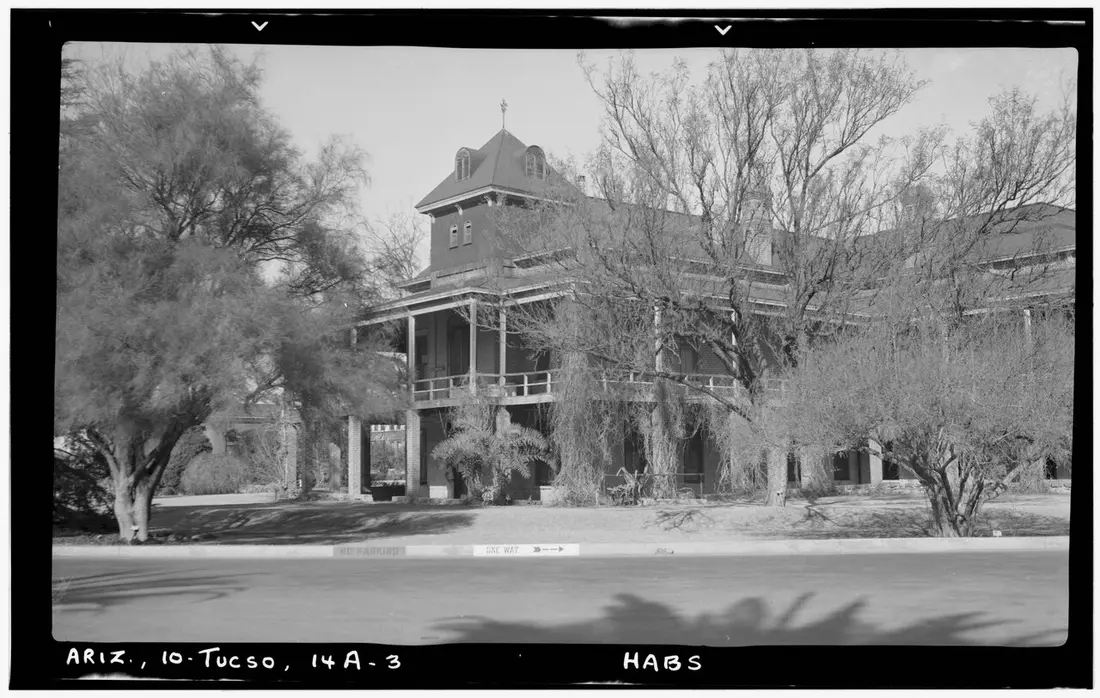
The blocks around the University of Arizona mix student rentals, faculty homes, fraternity rows and early-1900s neighborhoods like West University and Rincon Heights. The academic calendar drives the housing here - August move-ins in triple-digit heat are a local institution - and so does the rental turnover.
Local conditions shape the work here. Early-1900s bungalows and adobes, student rental houses and duplexes, and apartment stock in steady turnover - and that shapes the HVAC work directly. Rental cooling is its own discipline: evaporative coolers and older split systems run by tenants who did not choose them, filters changed late or never, and landlords who learn about failures from a phone call in August. For emergency hvac service in University Area, emergency calls here start with triage - safety first, then the failure, then the plan.
University Area's character is easiest to read at the University of Arizona campus and Main Gate Square, where the neighborhood's age, exposure and equipment stock all show at once.
Signs University Area Homes Need Emergency HVAC Service
Burning or electrical smells
Any electrical burning odor from the equipment is a shut-it-down symptom: power off at the breaker, then the call.
The breaker trips repeatedly
A breaker that will not hold is the electrical system refusing the equipment's request.
A carbon monoxide alarm, or gas smell
This outranks every other item on the page: leave the house, call from outside - the gas utility or emergency services first, HVAC service after the all-clear.
Why This Work Runs in University Area
What emergency service owes, beyond speed, is order: safety faults isolated first, the household's immediate exposure addressed honestly - including when the answer is that tonight's fix is partial and the full repair is a morning job - and the paperwork of what failed and why left in writing. Emergencies are where trust is spent or earned at the highest rate in the trade, and the discipline shows most exactly there.
Rental cooling is its own discipline: evaporative coolers and older split systems run by tenants who did not choose them, filters changed late or never, and landlords who learn about failures from a phone call in August. The work here runs to fast diagnostics, honest repair-versus-replace reads on aging rentals, and maintenance that survives tenant turnover.
In University Area, that plays out street by street - in an emergency, the first look is for safety - electrical smells, water through ceilings, and who is in the house. Local knowledge, University Area edition: the heat track, the dust path and the equipment calendar all vote on when this work is needed.
Tucson winters are mild with sharp edges: bright days in the sixties and seventies, desert nights that can drop below freezing, and cold snaps that test heat pumps and furnaces that slept all summer. Winter is a good service season here - heating checks, duct work and planned replacements happen without the summer queue - and the systems read in winter get their fixes long before the spring heat starts its own inspection.
Tucson visits run on heat time in one respect: the season outside the door shapes the advice inside it. A spring call is about readiness; a summer call is about capacity and dust; a monsoon call is about humidity and drains; a fall call is about the heating window. Same house, same system - four different correct visits across the year.
Season by season, University Area keeps the same rhythm - the heat spends the systems a little more each summer, then the monsoon collects on whatever the heat opened.
Do not swap parts before the visit. A new capacitor fitted over an undiagnosed fault buries the evidence and can turn a one-visit diagnosis into two. Photograph the nameplate instead - it is the most useful thing you can hand a technician.
How Emergency HVAC Service Works in University Area
The full step-by-step process for this service - inspection, scope, the work itself and follow-up - is laid out on the main Emergency HVAC Service page. In University Area the same sequence runs with the local map in hand: the equipment around the University of Arizona campus and Main Gate Square, the housing pattern described above, and the exposure this neighborhood actually carries.
The University Area Angle
In University Area, the job starts from the ground truth of the neighborhood - the blocks near the University of Arizona campus and Main Gate Square, the age of the housing, and the exposure the terrain hands it. Construction here decides the system map. Early-1900s bungalows and adobes, student rental houses and duplexes, and apartment stock in steady turnover.
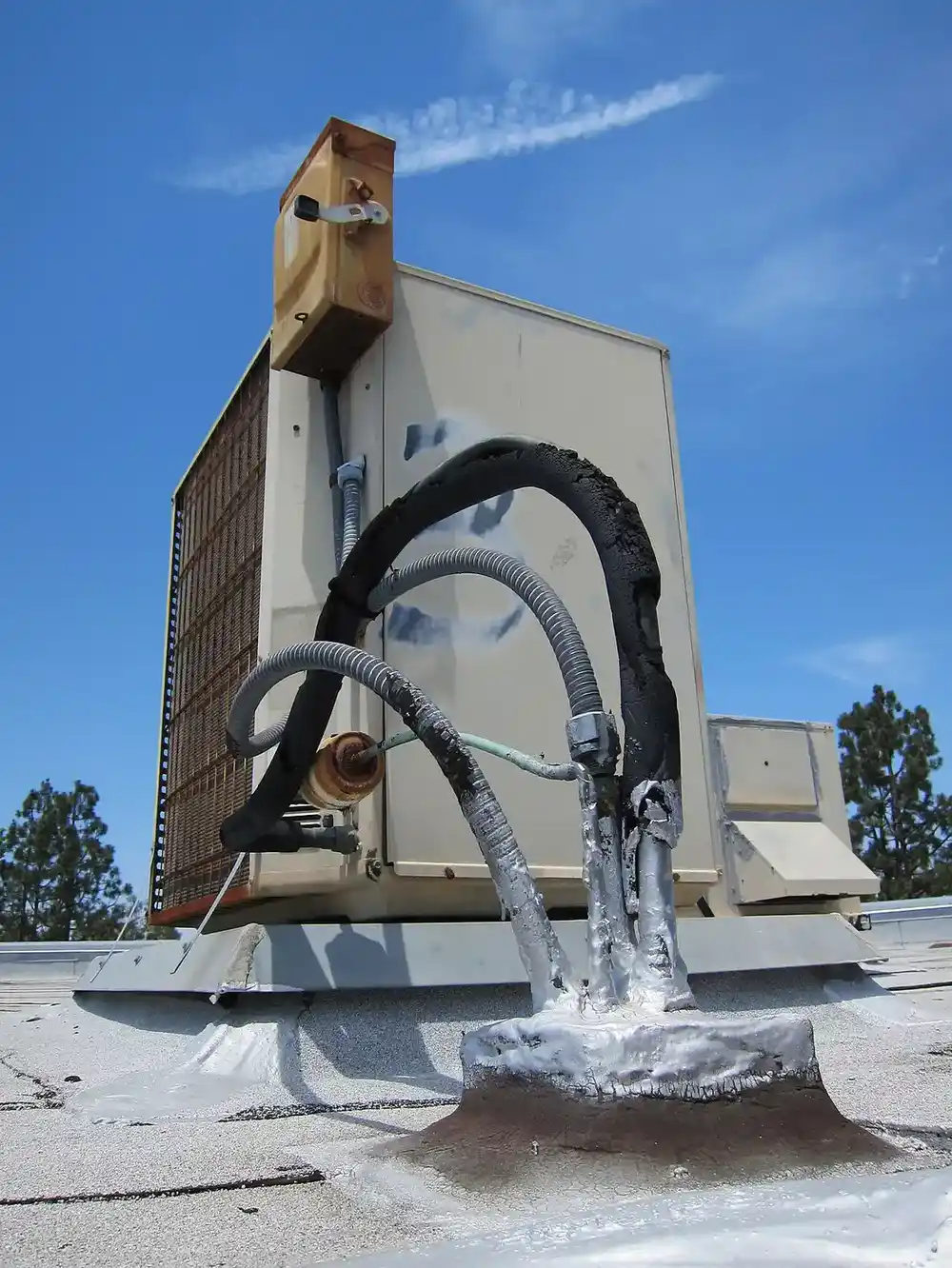
And the rooftops carry their own local accent. Rental cooling is its own discipline: evaporative coolers and older split systems run by tenants who did not choose them, filters changed late or never, and landlords who learn about failures from a phone call in August. The work here runs to fast diagnostics, honest repair-versus-replace reads on aging rentals, and maintenance that survives tenant turnover. A proper emergency hvac service call in University Area therefore starts with reading - the exposure, the equipment, the evidence - and only then moves to the work.
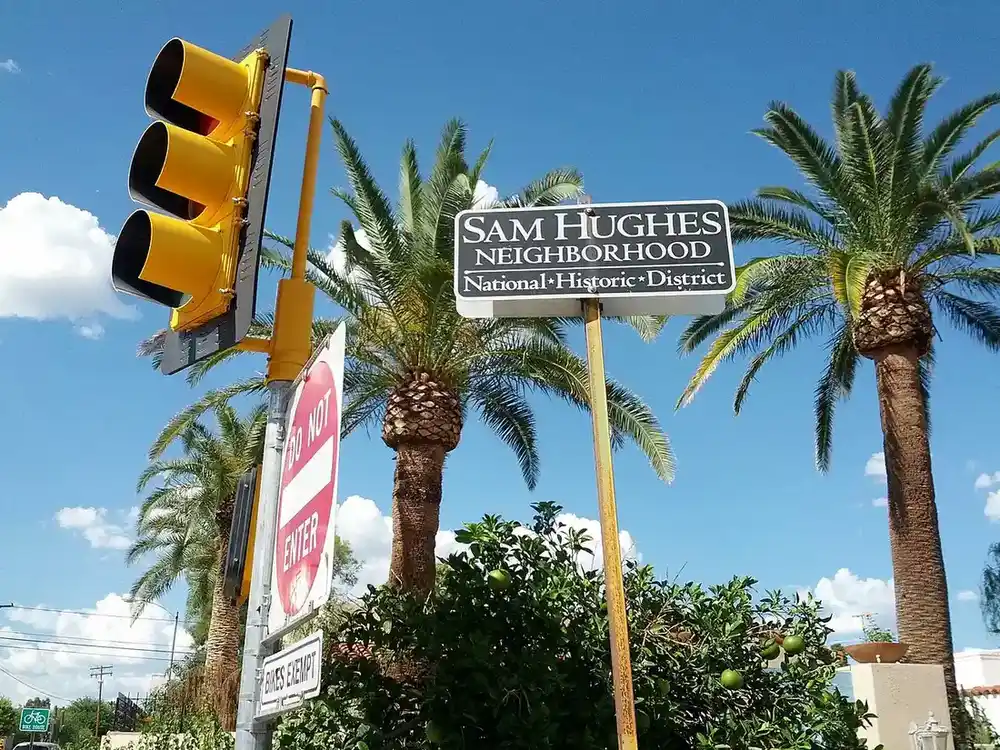
University Area does not sit alone on the map. It weathers the same heat as Sam Hughes, Downtown Tucson and Midtown Tucson - the same heat waves cross the valley, the same dust works the same coils, and the same seasons move through all of them within the same few weeks. Homes on these blocks share crews, routes and seasons - which is why a system solved properly on one street tends to stay solved.
On the route map, University Area sits in the tucson neighborhood group, ZIP 85719 - close enough to Sam Hughes, Downtown Tucson that crews work them on the same runs. Crews working a route learn its systems - the repeat failures, the aging package units, the ducts that leak first - and emergency hvac service gets better every run.
The valley's weather writes the same test every year, and University Area sits it in public: heat month, dust month, monsoon month. The systems that pass were not luckier - they were read earlier, serviced correctly and checked again after.
Prevention That Helps in University Area
- Replace control batteries and test the carbon monoxide alarm on a calendar rhythm; both fail silently and announce loudly.
- Keep the condensate drain in annual service - the ceiling-stain emergency is the most preventable one on this page.
- Have the number saved before you need it, and the equipment's location and nameplate photographed - in an emergency, minutes of searching are minutes of heat.
Early-1900s bungalows and adobes, student rental houses and duplexes, and apartment stock in steady turnover.
Keep Exploring
Emergency HVAC Service nearby:
- Emergency HVAC Service in Sam Hughes
- Emergency HVAC Service in Downtown Tucson
- Emergency HVAC Service in Midtown Tucson
- Emergency HVAC Service in Armory Park
More services in University Area:
- Thermostat Installation in University Area
- Indoor Air Quality Services in University Area
- AC Repair in University Area
- Furnace Installation & Replacement in University Area
See the full HVAC page for University Area and the Emergency HVAC Service overview for Tucson.
Emergency HVAC Service in University Area - Questions
What counts as an HVAC emergency in University Area?
No cooling during extreme heat - especially with elderly residents, infants or health conditions in the house - any burning or electrical smell, a repeatedly tripping breaker, water through a ceiling, and anything involving a gas smell or a carbon monoxide alarm, which is an emergency-services call before it is an HVAC call. Everything else is urgent; those are emergencies.
Can an emergency repair in University Area be completed the same visit?
Common failures - start components, motors, contactors, drain clears, control faults - are usually single-visit work when the parts are standard and on the truck. Compressor, coil and heat-exchanger failures are scoped work. The triage and diagnosis are what tell you which you have, and a good emergency visit says so early, not after the fact.
What should University Area homeowners have ready before a Emergency HVAC Service visit?
Access and information. Clear the way to the equipment and the attic hatch, secure pets, and have the pattern written down - when it started, where it shows, and what the weather was doing. That five minutes of prep is worth a second visit.
An AC That Quit in the Heat, a Room That Will Not Cool or a System Due for Service?
One call connects you with an HVAC professional serving Tucson and the surrounding communities - assessment, repair, service and installation.
📞 Call Now