Indoor Air Quality Services in Corona de Tucson
Indoor Air Quality Services for Corona de Tucson homes - local conditions, a clear process, and one call to get it started.
The first five minutes of a visit in Corona de Tucson are all measuring - airflow, temperatures, pressures, electrical values - because measuring is what makes the rest of it work.
Tucson's air quality problem arrives from outside: a desert's worth of dust on every wind, pollen seasons that ambush newcomers, and monsoon humidity that turns a tight house musty. Indoor air quality work in Corona de Tucson starts with that geography - what the desert sends in, how the house admits it, and what the HVAC system can realistically do about each, in that order.
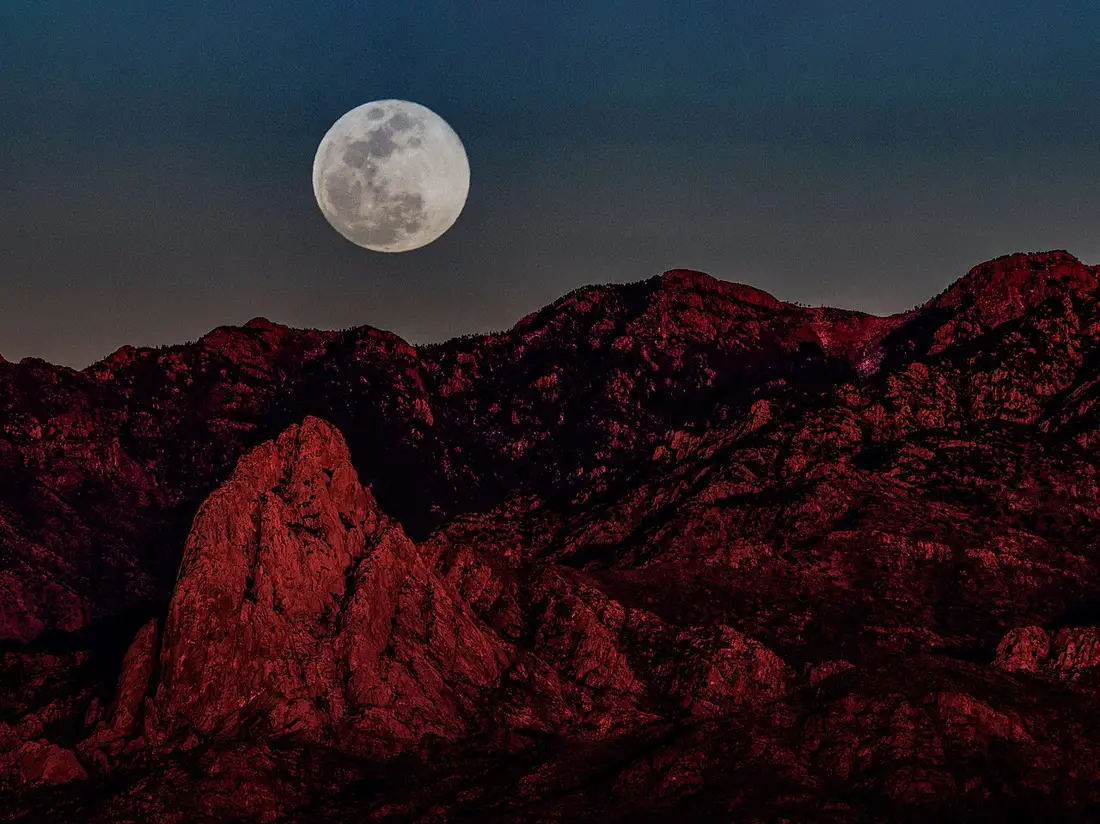
Corona de Tucson is the quiet community on the Santa Rita Mountains' north slope, south of the city along the road to Sonoita: 1970s ranchettes joined by newer subdivisions, all facing north across the whole Tucson valley. Nights cool faster here than anywhere on this list - elevation and open slope see to that.
Local conditions shape the work here. 1970s ranchettes and custom homes plus newer subdivisions, on sloped lots with valley views - and that shapes the HVAC work directly. Elevation is Corona's quiet advantage: nights drop into recovery range even in July, so systems rest and well-kept equipment lasts. For indoor air quality services in Corona de Tucson, air quality calls here start with the inspection - what the house breathes in, and from where.
The blocks around Corona de Tucson on the north slope of the Santa Rita foothills show Corona de Tucson in miniature - the equipment age, the sun path, the lot pattern, all readable from one corner.
Signs Corona de Tucson Homes Need Indoor Air Quality Services
Dust returns days after cleaning
A house that re-dusts itself within the week is inhaling somewhere - return leaks, duct gaps and envelope leaks at the attic line are the usual doors, and each has a test.
The filter loads in weeks, not months
A filter on a desert-short clock is measuring the house's dust admission honestly.
Allergy symptoms that live indoors
When symptoms follow the house rather than the season - worse at home, better away - the indoor reservoir is the suspect: ducts, carpets of dust in returns, and filtration that was never specified for the job.
Why This Work Runs in Corona de Tucson
The HVAC system is both the problem's highway and its remedy. Leaking returns inhale attic dust wholesale; intact ducts with proper filtration scrub the house's entire air volume several times a day. That is why air quality work here begins with duct integrity and filtration specification - the unglamorous hardware - before any accessory is discussed. An accessory on a leaking system polishes air that should never have entered.
Elevation is Corona's quiet advantage: nights drop into recovery range even in July, so systems rest and well-kept equipment lasts. The stock mixes older splits and package units on the ranchettes with newer heat pumps in the subdivisions. Slope-built houses add their own chapter - equipment on pads cut into hillsides, condensate that must be managed, and duct runs climbing with the floor plan.
In Corona de Tucson, that plays out street by street - for air quality, watch the admission paths - the return leaks, the closet door and the attic hatch. The pattern in Corona de Tucson rewards the homes that assess in the off-season; the rest meet the same problem at its seasonal peak.
Summer splits in two: the dry furnace of June and early July, when the heat is at its peak and systems run from mid-morning to past midnight, and the monsoon weeks that follow, when humidity joins the heat and the failure mode changes. Most breakdowns are discovered in summer - the wear happened across a decade of summers, and the hottest week is simply when the margin runs out. Shade, airflow and a clean coil are the season's quiet essentials.
Tucson visits run on heat time in one respect: the season outside the door shapes the advice inside it. A spring call is about readiness; a summer call is about capacity and dust; a monsoon call is about humidity and drains; a fall call is about the heating window. Same house, same system - four different correct visits across the year.
This season, the watch item in Corona de Tucson is the thermometer: every heat wave that parks over the valley grades the systems below it, and the homes near Corona de Tucson on the north slope of the Santa Rita foothills read the results first.
If the problem involves a rooftop unit, check that roof and gate access are clear. A technician who cannot reach the unit is the most common reason a first visit in Tucson ends with a second one scheduled.
How Indoor Air Quality Services Works in Corona de Tucson
The full step-by-step process for this service - inspection, scope, the work itself and follow-up - is laid out on the main Indoor Air Quality Services page. In Corona de Tucson the same sequence runs with the local map in hand: the equipment around Corona de Tucson on the north slope of the Santa Rita foothills, the housing pattern described above, and the exposure this neighborhood actually carries.
The Corona de Tucson Angle
What makes Corona de Tucson different is not the work; it is the setting - desert heat, monsoon dust and elevation, arranged by one neighborhood's geography. The equipment stock sets the assessment route. 1970s ranchettes and custom homes plus newer subdivisions, on sloped lots with valley views.
What the neighborhood installed, aged and patched fills in the rest. Elevation is Corona's quiet advantage: nights drop into recovery range even in July, so systems rest and well-kept equipment lasts. The stock mixes older splits and package units on the ranchettes with newer heat pumps in the subdivisions. Slope-built houses add their own chapter - equipment on pads cut into hillsides, condensate that must be managed, and duct runs climbing with the floor plan. The result, when the work follows the map, is a cooler house and a shorter list of surprises next season.
Corona de Tucson does not sit alone on the map. It weathers the same heat as Vail, Rita Ranch and Sahuarita - the same heat waves cross the valley, the same dust works the same coils, and the same seasons move through all of them within the same few weeks. The borders on the map are postal, not meteorological - the weather commutes freely, so the HVAC work has to think in neighborhoods, not addresses.
On the route map, Corona de Tucson sits in the south tucson community group, ZIP 85641 - close enough to Vail, Rita Ranch that crews work them on the same runs. The route view is also the honest one: it is how the weather actually moves through Corona de Tucson across a season.
One thing this neighborhood teaches every crew that works it: the order matters. Diagnose the whole system, not the symptom that triggered the call - the warm room you feel is the end of a chain that started somewhere in the airflow, and repairing without that map buys the problem back within a season or two.
Prevention That Helps in Corona de Tucson
- Manage the monsoon deliberately: cooler changeover on time, and indoor humidity watched during the humid weeks.
- Keep the condensate pan and drain in the annual service; the musty smell is a maintenance report, filed late.
- Seal the returns before upgrading the filter - clean air starts with not inhaling the attic.
1970s ranchettes and custom homes plus newer subdivisions, on sloped lots with valley views.
Keep Exploring
Indoor Air Quality Services nearby:
- Indoor Air Quality Services in Vail
- Indoor Air Quality Services in Rita Ranch
- Indoor Air Quality Services in Sahuarita
- Indoor Air Quality Services in Green Valley
More services in Corona de Tucson:
- AC Repair in Corona de Tucson
- Ductless Mini-Split Systems in Corona de Tucson
- AC Maintenance & Tune-Ups in Corona de Tucson
- Emergency HVAC Service in Corona de Tucson
See the full HVAC page for Corona de Tucson and the Indoor Air Quality Services overview for Tucson.
Indoor Air Quality Services in Corona de Tucson - Questions
What causes the musty smell when my Corona de Tucson system starts?
Moisture standing where it should not: a condensate pan that never fully drains, a coil biofilm, or cooler water paths left wet. The smell localizes the source well, and the remedy is cleaning and drainage correction at that source - a maintenance item, caught permanently only when the pan and drain are set right.
Can my HVAC system help with allergies in Corona de Tucson?
It can carry a real share of the work: intact ducts that stop importing attic dust and pollen, filtration specified for the household, and run-times that actually cycle the house's air through that filtration. It cannot repeal the desert's pollen seasons - but the difference between a house that imports its air untreated and one that scrubs it is a difference allergy households feel daily.
What makes Indoor Air Quality Services different in Corona de Tucson than in the rest of Tucson?
The trade is the same; the map is not. Corona de Tucson has its own building pattern, its own exposure and its own equipment generations - foothill custom, subdivision grid, or historic adobe. Indoor Air Quality Services here is planned from those three, which is why this page exists separately from the citywide one.
An AC That Quit in the Heat, a Room That Will Not Cool or a System Due for Service?
One call connects you with an HVAC professional serving Tucson and the surrounding communities - assessment, repair, service and installation.
📞 Call Now