Evaporative Cooler Service in Catalina Foothills
Evaporative Cooler Service for Catalina Foothills homes - local conditions, a clear process, and one call to get it started.
Homes here share more than a ZIP: they share heat, dust tracks and the equipment generations both produce.
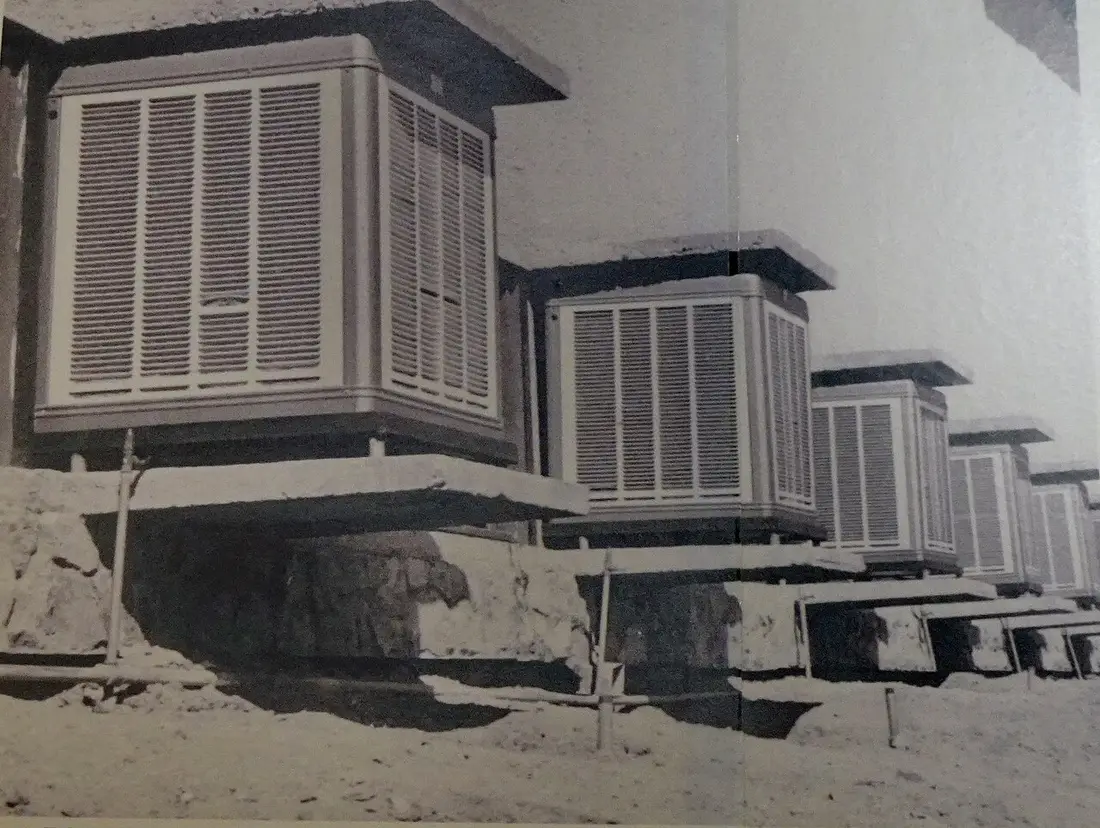
A swamp cooler is honest machinery: pads, a pump, a fan, water. Nothing in it is mysterious, and everything in it wears - pads scale with Tucson's hard water, pumps quit mid-season, bearings dry, and the water line writes mineral maps across the pan. Cooler service in Catalina Foothills is the discipline of replacing those small certainties on schedule instead of on the hottest weekend of the year.
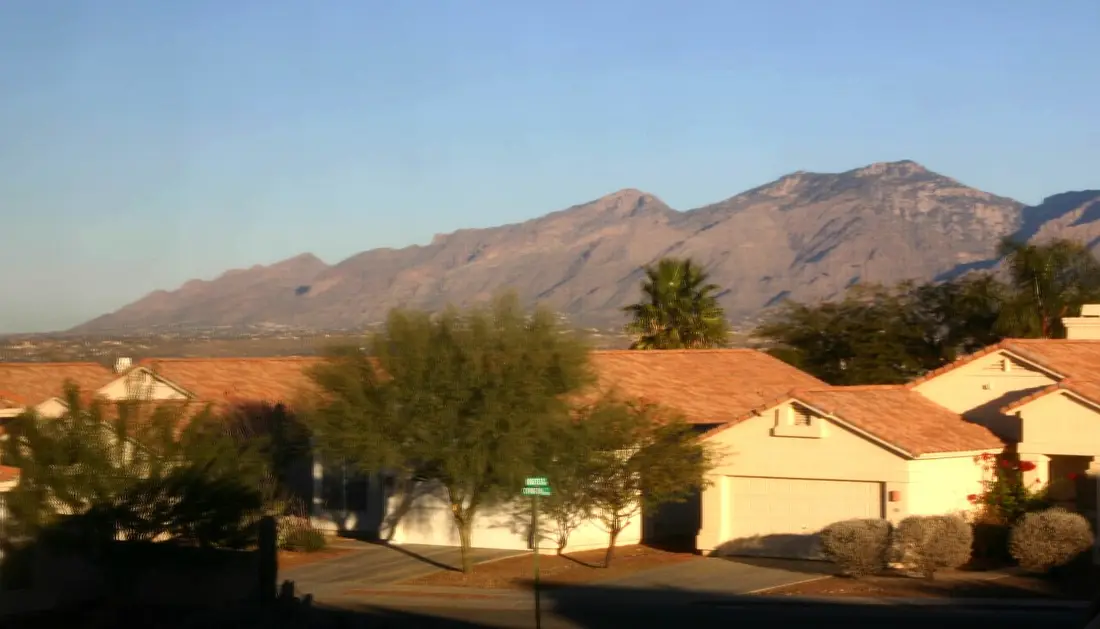
The Catalina Foothills are Tucson's signature hillside addresses: custom homes terraced into the bajada below Pusch Ridge, from the 1930s adobes of the Joesler era to glass-walled contemporaries, all facing south across the whole city. Saguaros stand in the yards like residents, and the views run to Mexico on clear days.
The details of the neighborhood matter for this work. Custom hillside homes from the 1930s to today - adobe, contemporary and territorial styles - on terraced desert lots - and that shapes the HVAC work directly. Foothills houses are cooling projects in themselves: walls of south and west glass, vaulted ceilings, multiple levels stepping down a slope, and equipment pads tucked where the terrain allows. For evaporative cooler service in Catalina Foothills, cooler calls here read the water's path - pan, pump, pads and the bleed line - before the motor is blamed.
There is a reason crews know Catalina Foothills by its landmark: the pattern near the Catalina Foothills below the granite face of Pusch Ridge - old systems, new systems, rooftop systems, desert-edge systems - repeats faithfully across the whole map.
Signs Catalina Foothills Homes Need Evaporative Cooler Service
Cooling fades as the day heats up
A cooler losing ground across a dry afternoon is undersized, under-watered or under-maintained.
The air from the vents feels warm by afternoon
In dry heat, that is a cooler reporting a fault: pads scaled or collapsed, water not distributing, or airflow down.
Water spots or rust at the unit
Coolers live with water, so their failures are written in scale and rust - at the pan, the pump, the float and the roof line below.
Why This Work Runs in Catalina Foothills
Water writes the maintenance calendar. Tucson's supply is hard, and every gallon evaporated leaves its minerals in the pads and pan - which is why pads are consumables, bleed-off matters, and pans need cleaning on a rhythm measured in seasons, not years. The cooler that gets its spring service and its mid-season check is a reliable machine; the one that gets neither is a story its owner tells about the weekend it quit.
Foothills houses are cooling projects in themselves: walls of south and west glass, vaulted ceilings, multiple levels stepping down a slope, and equipment pads tucked where the terrain allows. Zoned systems and ductless supplements are common, solar gain is the enemy every June afternoon, and the assessment that matters reads the glass and the orientation before it reads the equipment nameplate.
In Catalina Foothills, that plays out street by street - for coolers, watch the pads, the pan's mineral state and the monsoon date on the calendar. Around the Catalina Foothills below the granite face of Pusch Ridge, the service rhythm runs a few weeks ahead of the calendar - exposure shows up early where the systems are oldest.
Winter's other story is the heating side. Heat pumps that cooled all summer must now reverse and heat through desert nights, and the ones with tired reversing valves or low charge announce it on the first cold snap. Furnaces that sat for eight months get their one annual exam. The winter read is about readiness: that is where next summer's reliability is quietly decided.
Tucson visits run on heat time in one respect: the season outside the door shapes the advice inside it. A spring call is about readiness; a summer call is about capacity and dust; a monsoon call is about humidity and drains; a fall call is about the heating window. Same house, same system - four different correct visits across the year.
The practical read for Catalina Foothills this season: check the filter, check the readings, and let the service calendar do the rest.
Before you call, a five-minute check pays for itself: note the filter's state, which rooms run warm, and any new sound the system has learned. That list, given on the call, gets the right equipment on the truck.
How Evaporative Cooler Service Works in Catalina Foothills
The full step-by-step process for this service - inspection, scope, the work itself and follow-up - is laid out on the main Evaporative Cooler Service page. In Catalina Foothills the same sequence runs with the local map in hand: the equipment around the Catalina Foothills below the granite face of Pusch Ridge, the housing pattern described above, and the exposure this neighborhood actually carries.
The Catalina Foothills Angle
Ask anyone who works HVAC in Catalina Foothills and they will tell you the pattern repeats: the heat failures, the equipment generations, and the seasons grade the result. Where the heat lands hardest follows the housing and the equipment installed with it. Custom hillside homes from the 1930s to today - adobe, contemporary and territorial styles - on terraced desert lots.
And the rooftops carry their own local accent. Foothills houses are cooling projects in themselves: walls of south and west glass, vaulted ceilings, multiple levels stepping down a slope, and equipment pads tucked where the terrain allows. Zoned systems and ductless supplements are common, solar gain is the enemy every June afternoon, and the assessment that matters reads the glass and the orientation before it reads the equipment nameplate. So the evaporative cooler service visit here is built from the block outward: evidence first, readings and airflow second, work matched to both.
Catalina Foothills does not sit alone on the map. It weathers the same heat as Sabino Canyon Area, Tanque Verde and Casas Adobes - the same heat waves cross the valley, the same dust works the same coils, and the same seasons move through all of them within the same few weeks. That shared geography is the argument for local pages and local visits - the map is the method.
On the route map, Catalina Foothills sits in the tucson community group, ZIP 85718 - close enough to Sabino Canyon Area, Tanque Verde that crews work them on the same runs. That local memory is the quiet advantage of route-based work in Catalina Foothills.
A note on timing that the local pattern makes plain: evaporative cooler service done in the quiet months is a different service from the same work done in the emergency weeks - same trade, same crew, but planned instead of reactive, and thorough instead of triaged.
Prevention That Helps in Catalina Foothills
- Keep the monsoon plan honest - know in spring what August will feel like, and decide then, not during it.
- Shut down and drain the cooler properly in fall; a winter of standing water is next spring's rust and smell.
- Never skip the spring start-up: every part that fails mid-season is visible, cheap and available in April.
Custom hillside homes from the 1930s to today - adobe, contemporary and territorial styles - on terraced desert lots.
Keep Exploring
Evaporative Cooler Service nearby:
- Evaporative Cooler Service in Sabino Canyon Area
- Evaporative Cooler Service in Tanque Verde
- Evaporative Cooler Service in Casas Adobes
- Evaporative Cooler Service in Oro Valley
More services in Catalina Foothills:
- AC Installation & Replacement in Catalina Foothills
- Furnace Installation & Replacement in Catalina Foothills
- AC Repair in Catalina Foothills
- Duct Repair & Sealing in Catalina Foothills
See the full HVAC page for Catalina Foothills and the Evaporative Cooler Service overview for Tucson.
Evaporative Cooler Service in Catalina Foothills - Questions
How well should a cooler work in Catalina Foothills's dry heat?
Well-kept, on a dry June day, a properly sized cooler commonly holds a house twenty degrees or more below the outdoor temperature - genuinely comfortable, at a fraction of refrigerated air's running cost. When yours does markedly worse in dry weather, something specific is wrong: pads, water distribution or airflow, and all three are service items.
Should I convert my Catalina Foothills home from a cooler to refrigerated air?
It is the valley's standing question, and the honest answer is per-house: the cooler conversion involves equipment, ductwork the house may not have, and electrical capacity, weighed against the monsoon comfort and the home's value. Many Catalina Foothills households run both - cooler for the glorious dry months, refrigeration for the monsoon. The assessment prices your specific house, not the average one.
How is Evaporative Cooler Service priced for a home in Catalina Foothills?
By the system, not the address: its type and capacity, its age and condition, the ductwork behind it, the access for equipment, and the scope you approve. The explanation comes before any work begins, and the scope in writing is what the work follows.
An AC That Quit in the Heat, a Room That Will Not Cool or a System Due for Service?
One call connects you with an HVAC professional serving Tucson and the surrounding communities - assessment, repair, service and installation.
📞 Call Now