
Evaporative Cooler Service in Northwest Tucson
Evaporative Cooler Service for Northwest Tucson homes - local conditions, a clear process, and one call to get it started.
Around the Ina Road and Thornydale corridors below the Tortolita Mountains, the calls follow a rhythm the whole neighborhood recognizes.
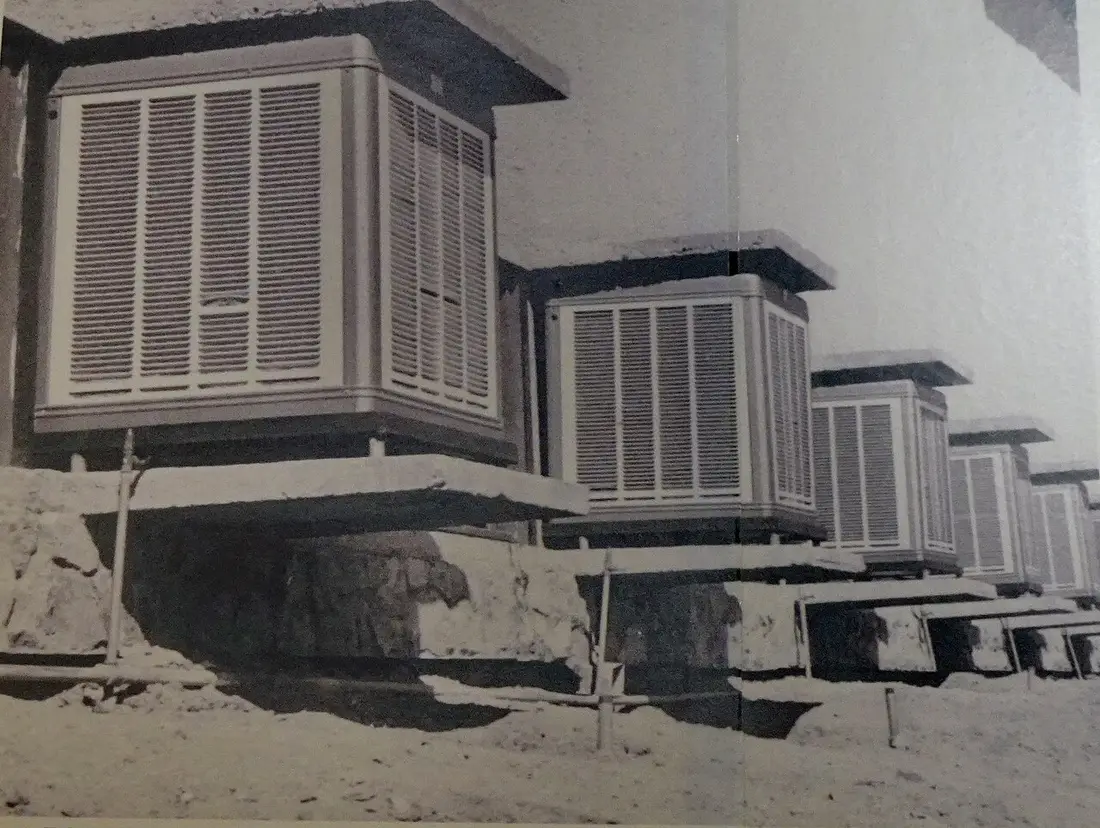
A swamp cooler is honest machinery: pads, a pump, a fan, water. Nothing in it is mysterious, and everything in it wears - pads scale with Tucson's hard water, pumps quit mid-season, bearings dry, and the water line writes mineral maps across the pan. Cooler service in Northwest Tucson is the discipline of replacing those small certainties on schedule instead of on the hottest weekend of the year.
The northwest side is Tucson's growth engine of the last forty years: master-planned communities, golf subdivisions and shopping corridors along Ina, Thornydale and Cortaro roads, filling the plain between the Catalinas and the Tortolitas. Rooftops here were built by the thousands in the 1980s through 2000s - and their equipment is aging in waves.
The details of the neighborhood matter for this work. 1980s-2000s master-planned subdivisions - stucco and tile-roof homes in large, uniform developments - and that shapes the HVAC work directly. Uniform subdivisions mean uniform equipment generations: heat pumps and split systems installed by tract builders, now reaching replacement age street by street. For evaporative cooler service in Northwest Tucson, cooler calls here read the water's path - pan, pump, pads and the bleed line - before the motor is blamed.
Work near the Ina Road and Thornydale corridors below the Tortolita Mountains long enough and the streets sort themselves: the exposed ones ask early, the sheltered ones ask late, and the old-equipment streets ask loudest.
Signs Northwest Tucson Homes Need Evaporative Cooler Service
Cooling fades as the day heats up
A cooler losing ground across a dry afternoon is undersized, under-watered or under-maintained.
A musty or swampy smell when it starts
The name 'swamp cooler' is earned in neglected pans: standing water, spent pads and mineral sludge grow the smell.
Water spots or rust at the unit
Coolers live with water, so their failures are written in scale and rust - at the pan, the pump, the float and the roof line below.
Why This Work Runs in Northwest Tucson
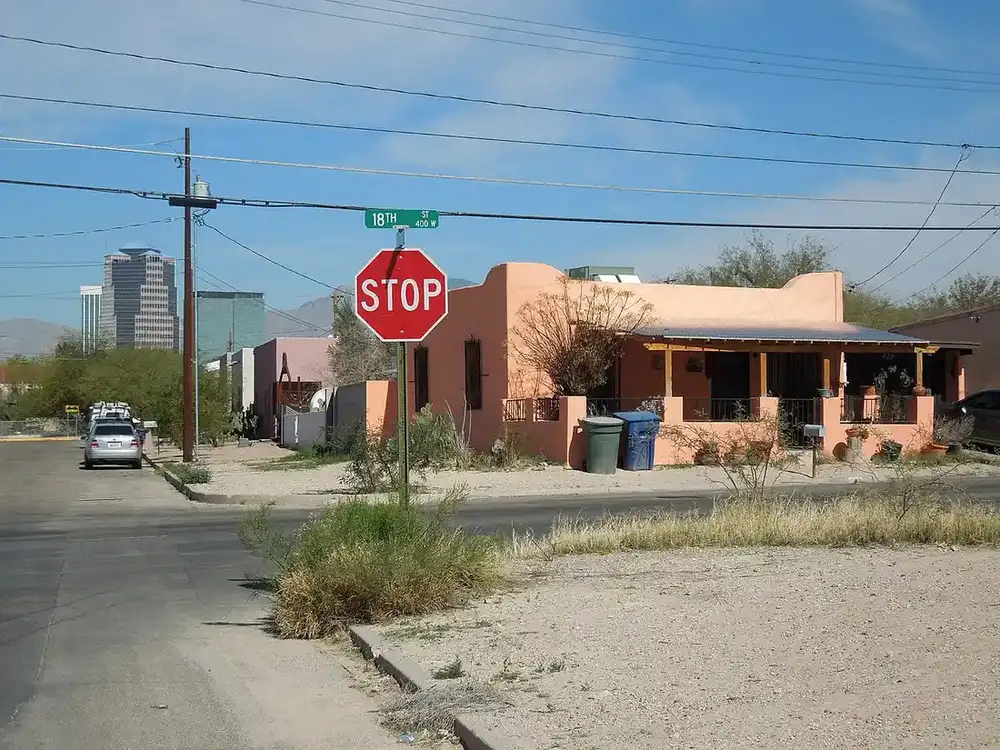
Evaporative cooling works because of the desert's one kindness: dry air. Through May and June, when humidity sits in the single digits, evaporation pulls indoor temperatures down twenty degrees or more for the cost of running a fan and a small pump. Tucson's older housing was built around this bargain - coolers on the roofs of adobes, postwar ranches and working neighborhoods, sized into the architecture itself.
Uniform subdivisions mean uniform equipment generations: heat pumps and split systems installed by tract builders, now reaching replacement age street by street. Builder-grade ductwork is the northwest's open secret - kinked flex runs and undersized returns that a good assessment finds in an afternoon. The work runs in waves here, and the streets that maintain ahead of the wave spend their summers indoors.
In Northwest Tucson, that plays out street by street - for coolers, watch the pads, the pan's mineral state and the monsoon date on the calendar. What separates a good evaporative cooler service outcome in Northwest Tucson is rarely the product - it is whether the readings map was finished.
Spring is the preparation season in Tucson, and everyone who has lived through a June here knows it. March through May is when systems get their honest read: refrigerant charge, airflow, duct condition, cooler pads and pumps - while the weather is still mild enough that a discovered problem is an appointment, not an emergency. The first 100-degree day usually arrives before May is out, and it collects every debt the spring skipped.
If the unit is on a steep roof, behind a locked gate or over a business's ceiling, say so when you book. The method adjusts - ladders, access panels, a different crew mix - and it adjusts best before the truck rolls. The same goes for gates, dogs and the alarm system nobody should surprise. Details given early are cheap; details discovered on site cost a second visit.
The practical read for Northwest Tucson this season: check the filter, check the readings, and let the service calendar do the rest.
One more preparation that matters in the desert: tell the office about locked side yards, alarm systems and any rooms that must stay closed. What surrounds the equipment shapes the method more than most homeowners expect.
How Evaporative Cooler Service Works in Northwest Tucson
The full step-by-step process for this service - inspection, scope, the work itself and follow-up - is laid out on the main Evaporative Cooler Service page. In Northwest Tucson the same sequence runs with the local map in hand: the equipment around the Ina Road and Thornydale corridors below the Tortolita Mountains, the housing pattern described above, and the exposure this neighborhood actually carries.
The Northwest Tucson Angle
The Northwest Tucson version of this work is a local story - it runs across the rooftops within sight of the Ina Road and Thornydale corridors below the Tortolita Mountains. Construction here decides the system map. 1980s-2000s master-planned subdivisions - stucco and tile-roof homes in large, uniform developments.
And the rooftops carry their own local accent. Uniform subdivisions mean uniform equipment generations: heat pumps and split systems installed by tract builders, now reaching replacement age street by street. Builder-grade ductwork is the northwest's open secret - kinked flex runs and undersized returns that a good assessment finds in an afternoon. The work runs in waves here, and the streets that maintain ahead of the wave spend their summers indoors. The result, when the work follows the map, is a cooler house and a shorter list of surprises next season.
Northwest Tucson does not sit alone on the map. It weathers the same heat as Casas Adobes, Flowing Wells and Oro Valley - the same heat waves cross the valley, the same dust works the same coils, and the same seasons move through all of them within the same few weeks. The borders on the map are postal, not meteorological - the weather commutes freely, so the HVAC work has to think in neighborhoods, not addresses.
On the route map, Northwest Tucson sits in the tucson community group, ZIP 85741 - close enough to Casas Adobes, Flowing Wells that crews work them on the same runs. That local memory is the quiet advantage of route-based work in Northwest Tucson.
What the work actually protects in Northwest Tucson is not the system alone - it is the sleep, the workdays, the pipes and the routines inside the house. Framed that way, the order of jobs writes itself: safety first, capacity second, efficiency third, and the assessment always.
Prevention That Helps in Northwest Tucson
- Keep the monsoon plan honest - know in spring what August will feel like, and decide then, not during it.
- Watch the water: a cooler using no water is not cooling, and one leaking water is writing on the roof.
- Never skip the spring start-up: every part that fails mid-season is visible, cheap and available in April.
1980s-2000s master-planned subdivisions - stucco and tile-roof homes in large, uniform developments.
Keep Exploring
Evaporative Cooler Service nearby:
- Evaporative Cooler Service in Casas Adobes
- Evaporative Cooler Service in Flowing Wells
- Evaporative Cooler Service in Oro Valley
- Evaporative Cooler Service in Marana
More services in Northwest Tucson:
- Ductless Mini-Split Systems in Northwest Tucson
- HVAC Service in Northwest Tucson
- Thermostat Installation in Northwest Tucson
- AC Installation & Replacement in Northwest Tucson
See the full HVAC page for Northwest Tucson and the Evaporative Cooler Service overview for Tucson.
Evaporative Cooler Service in Northwest Tucson - Questions
How well should a cooler work in Northwest Tucson's dry heat?
Well-kept, on a dry June day, a properly sized cooler commonly holds a house twenty degrees or more below the outdoor temperature - genuinely comfortable, at a fraction of refrigerated air's running cost. When yours does markedly worse in dry weather, something specific is wrong: pads, water distribution or airflow, and all three are service items.
Should I convert my Northwest Tucson home from a cooler to refrigerated air?
It is the valley's standing question, and the honest answer is per-house: the cooler conversion involves equipment, ductwork the house may not have, and electrical capacity, weighed against the monsoon comfort and the home's value. Many Northwest Tucson households run both - cooler for the glorious dry months, refrigeration for the monsoon. The assessment prices your specific house, not the average one.
What makes Evaporative Cooler Service different in Northwest Tucson than in the rest of Tucson?
The trade is the same; the map is not. Northwest Tucson has its own building pattern, its own exposure and its own equipment generations - foothill custom, subdivision grid, or historic adobe. Evaporative Cooler Service here is planned from those three, which is why this page exists separately from the citywide one.
An AC That Quit in the Heat, a Room That Will Not Cool or a System Due for Service?
One call connects you with an HVAC professional serving Tucson and the surrounding communities - assessment, repair, service and installation.
📞 Call Now