Heating Repair in Corona de Tucson
Heating Repair for Corona de Tucson homes - local conditions, a clear process, and one call to get it started.
Every heating repair call in Corona de Tucson opens the same way: read the system, then read the neighborhood around it.
The Corona de Tucson heating call has its own script: the furnace that lights and quits, the heat pump blowing air that feels cool, the thermostat calling while the house slowly gives up its warmth overnight. Tucson houses are built to shed heat, not hold it - which is why a marginal heating system announces itself faster here than the mild climate suggests.
Corona de Tucson is the quiet community on the Santa Rita Mountains' north slope, south of the city along the road to Sonoita: 1970s ranchettes joined by newer subdivisions, all facing north across the whole Tucson valley. Nights cool faster here than anywhere on this list - elevation and open slope see to that.
This part of the valley has its own version of every system. 1970s ranchettes and custom homes plus newer subdivisions, on sloped lots with valley views - and that shapes the HVAC work directly. Elevation is Corona's quiet advantage: nights drop into recovery range even in July, so systems rest and well-kept equipment lasts. For heating repair in Corona de Tucson, heating calls here start with safety - combustion, venting and controls - before comfort.
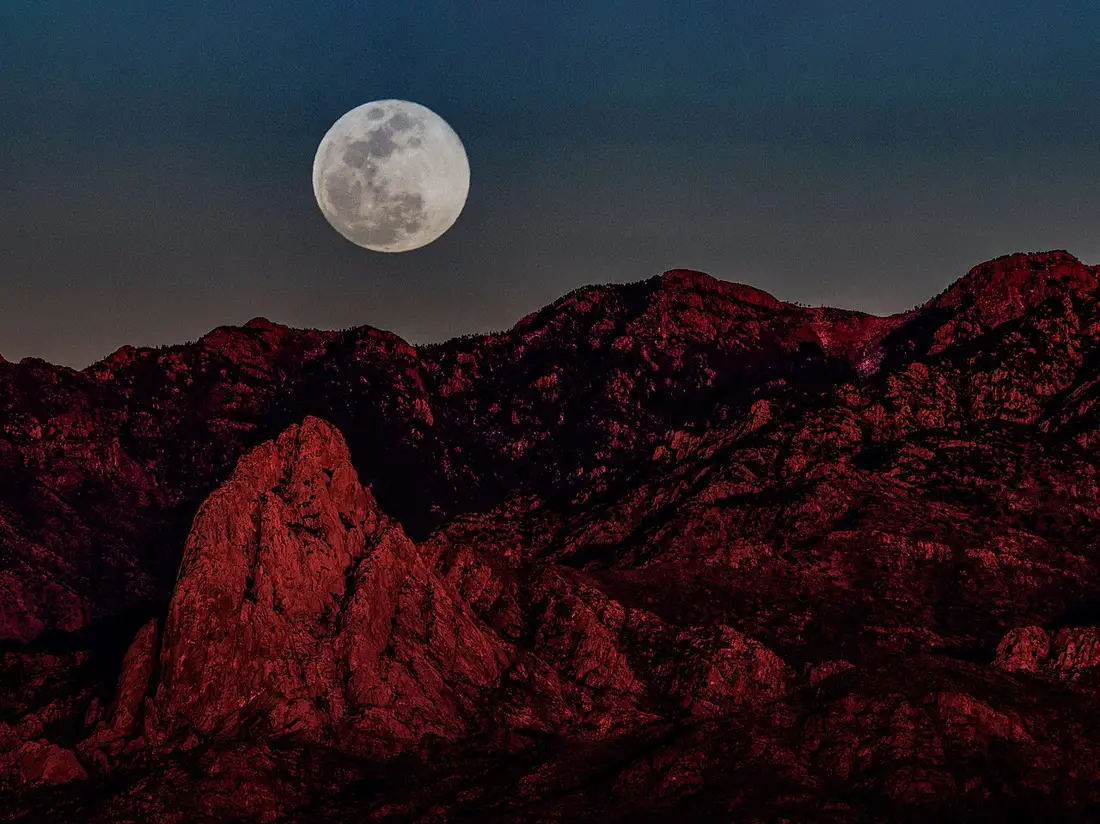
Stand near Corona de Tucson on the north slope of the Santa Rita foothills on a June evening and Corona de Tucson's whole pattern is in one view: the rooftops, the exposure, the equipment stock, and the heat still radiating off the streets.
Signs Corona de Tucson Homes Need Heating Repair
The heat pump blows cool air
Air that feels lukewarm or cold from a heat pump in heating mode points to charge, reversing valve or defrost problems - or a system that has quietly been running on backup heat for weeks.
The power or gas bill jumped in winter
A heating system working around a fault spends fuel doing it.
Short cycles on cold nights
Heat that starts and stops every few minutes never settles the house and wears the equipment doing it - controls, sizing or airflow are the usual authors.
Why This Work Runs in Corona de Tucson
Safety frames everything in gas heating: combustion, venting and carbon monoxide are checked, not assumed. Desert houses add their own wrinkles - furnaces in garages and closets breathing dusty air, attic units over bedrooms. The repair that restores heat without the safety read is only half a repair.
Elevation is Corona's quiet advantage: nights drop into recovery range even in July, so systems rest and well-kept equipment lasts. The stock mixes older splits and package units on the ranchettes with newer heat pumps in the subdivisions. Slope-built houses add their own chapter - equipment on pads cut into hillsides, condensate that must be managed, and duct runs climbing with the floor plan.
In Corona de Tucson, that plays out street by street - for heating, watch the ignition sequence, the venting and the first cold night on the calendar. On the Corona de Tucson run, crews read the filters and coils first - the airflow story is the fastest route to the truth in this neighborhood.
Spring's second act is the first-heat audit. After the first hundred-degree week, the pattern repeats street by street: the system that holds temperature and the one that loses ground every afternoon, the cooler that still works in dry heat and the one already failing, the duct leak that taxes every room at once. Owners who read that week honestly start their decisions from evidence; owners who skip it find out across June, one hot room at a time.
Tucson visits run on heat time in one respect: the season outside the door shapes the advice inside it. A spring call is about readiness; a summer call is about capacity and dust; a monsoon call is about humidity and drains; a fall call is about the heating window. Same house, same system - four different correct visits across the year.
The seasonal swing in Corona de Tucson is driven by two clocks - the heat clock and the monsoon clock - and both are always running.
If the problem involves a rooftop unit, check that roof and gate access are clear. A technician who cannot reach the unit is the most common reason a first visit in Tucson ends with a second one scheduled.
How Heating Repair Works in Corona de Tucson
The full step-by-step process for this service - inspection, scope, the work itself and follow-up - is laid out on the main Heating Repair page. In Corona de Tucson the same sequence runs with the local map in hand: the equipment around Corona de Tucson on the north slope of the Santa Rita foothills, the housing pattern described above, and the exposure this neighborhood actually carries.
The Corona de Tucson Angle
Start with the map of Corona de Tucson: the streets around Corona de Tucson on the north slope of the Santa Rita foothills set the daily pattern - sun path, heat load and monsoon history in the same few blocks. The work plan follows the way this area was built and equipped. 1970s ranchettes and custom homes plus newer subdivisions, on sloped lots with valley views.
And the rooftops carry their own local accent. Elevation is Corona's quiet advantage: nights drop into recovery range even in July, so systems rest and well-kept equipment lasts. The stock mixes older splits and package units on the ranchettes with newer heat pumps in the subdivisions. Slope-built houses add their own chapter - equipment on pads cut into hillsides, condensate that must be managed, and duct runs climbing with the floor plan. That is why heating repair in Corona de Tucson is planned from assessment rather than from a script - the visit reads this map before any scope is chosen.
Corona de Tucson does not sit alone on the map. It weathers the same heat as Vail, Rita Ranch and Sahuarita - the same heat waves cross the valley, the same dust works the same coils, and the same seasons move through all of them within the same few weeks. It is also why the seasonal advice repeats across these areas: they stand under the same sun and breathe the same monsoon dust.
On the route map, Corona de Tucson sits in the south tucson community group, ZIP 85641 - close enough to Vail, Rita Ranch that crews work them on the same runs. That local memory is the quiet advantage of route-based work in Corona de Tucson.
The readings map of Corona de Tucson is redrawn every season: last year's drift continues, a new noise opens, an old capacitor finally speaks. Which is why experienced local owners treat assessment as a subscription, not an event - the map is only useful while it is current.
Prevention That Helps in Corona de Tucson
- Note the system's behavior on the first cold night each year; the change from last year is the earliest diagnostic you own.
- If the heat pump's air starts feeling cooler than usual, call early - weeks of silent backup-heat running is the expensive version.
- Keep a working carbon monoxide alarm near sleeping areas - cheap insurance for any gas appliance.
1970s ranchettes and custom homes plus newer subdivisions, on sloped lots with valley views.
Keep Exploring
Heating Repair nearby:
- Heating Repair in Vail
- Heating Repair in Rita Ranch
- Heating Repair in Sahuarita
- Heating Repair in Green Valley
More services in Corona de Tucson:
- Ductless Mini-Split Systems in Corona de Tucson
- AC Installation & Replacement in Corona de Tucson
- Indoor Air Quality Services in Corona de Tucson
- Duct Repair & Sealing in Corona de Tucson
See the full HVAC page for Corona de Tucson and the Heating Repair overview for Tucson.
Heating Repair in Corona de Tucson - Questions
What should I check before calling for heating help in Corona de Tucson?
Thermostat set to heat and above room temperature, a clean filter, the breaker, and - for a furnace - that the gas supply to the house is on. If you smell gas, or the carbon monoxide alarm sounds, leave the house and call from outside; that check outranks every other.
My heat pump in Corona de Tucson blows air that feels cold. Is it broken?
Maybe, maybe not. Heat pump air is cooler than furnace air by design - it heats gently rather than in blasts - so 'feels cool' alone is not a verdict. Air that gets colder over days, a unit icing heavily, or a winter bill that jumped says the system needs a look: charge and defrost faults are the usual finds.
When is Heating Repair most needed in Corona de Tucson?
Need follows the season and the neighborhood together: the heat months raise the baseline everywhere, and Corona de Tucson's specific exposure - its elevation, its housing era, its equipment age - decides which weeks bite hardest. A local assessment reads both clocks at once.
An AC That Quit in the Heat, a Room That Will Not Cool or a System Due for Service?
One call connects you with an HVAC professional serving Tucson and the surrounding communities - assessment, repair, service and installation.
📞 Call Now