Heating Repair in University Area
Heating Repair for University Area homes - local conditions, a clear process, and one call to get it started.
Start where the problem starts in University Area: at the unit, in the ducts, in the blocks around the University of Arizona campus and Main Gate Square.
Heating in University Area is a supporting act with a few starring nights: the desert cold snap that drops the valley below freezing, when furnaces that slept eight months are suddenly the most important machine in the house. Heating repair here starts with a system that has barely run since spring - and everything that long sleep can hide.
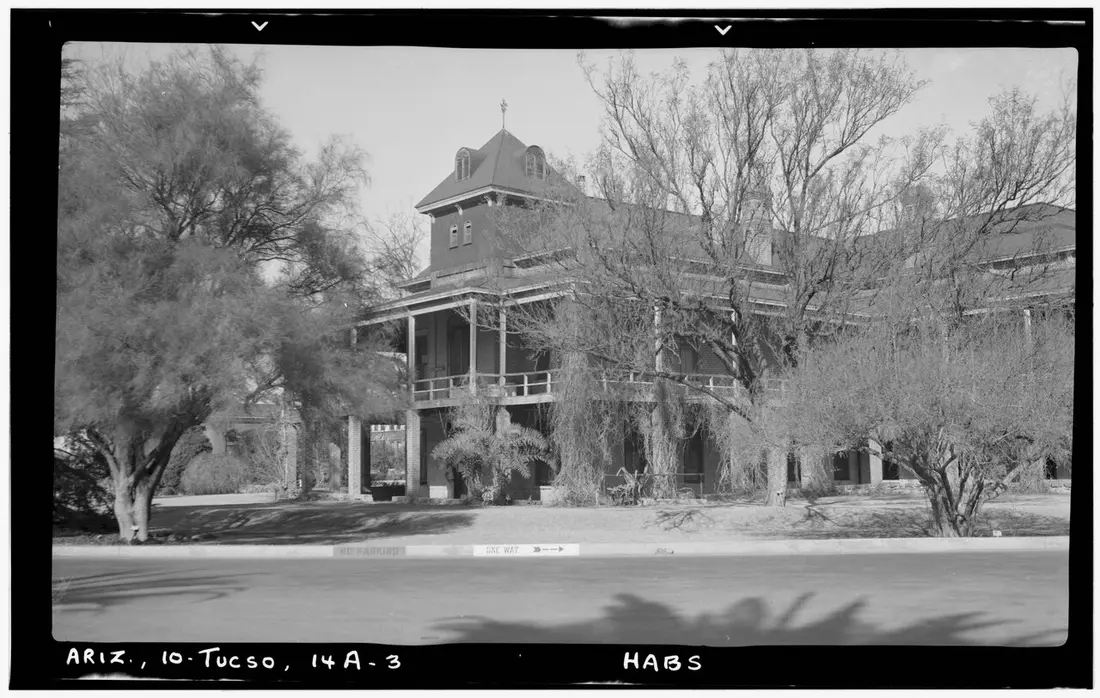
The blocks around the University of Arizona mix student rentals, faculty homes, fraternity rows and early-1900s neighborhoods like West University and Rincon Heights. The academic calendar drives the housing here - August move-ins in triple-digit heat are a local institution - and so does the rental turnover.
This part of the valley has its own version of every system. Early-1900s bungalows and adobes, student rental houses and duplexes, and apartment stock in steady turnover - and that shapes the HVAC work directly. Rental cooling is its own discipline: evaporative coolers and older split systems run by tenants who did not choose them, filters changed late or never, and landlords who learn about failures from a phone call in August. For heating repair in University Area, heating calls here start with safety - combustion, venting and controls - before comfort.
University Area's character is easiest to read at the University of Arizona campus and Main Gate Square, where the neighborhood's age, exposure and equipment stock all show at once.
Signs University Area Homes Need Heating Repair
The heat pump blows cool air
Air that feels lukewarm or cold from a heat pump in heating mode points to charge, reversing valve or defrost problems - or a system that has quietly been running on backup heat for weeks.
Strange smells at first fire-up
A brief dust smell on the season's first run is normal in the desert.
The power or gas bill jumped in winter
A heating system working around a fault spends fuel doing it.
Why This Work Runs in University Area
Tucson's heating season is short enough that its failures hide. A furnace can be broken from March to December without anyone knowing; the discovery arrives with the first cold snap, valley-wide, on the same night - which is why heating repair demand here spikes like a summer breakdown, just in January instead of June.
Rental cooling is its own discipline: evaporative coolers and older split systems run by tenants who did not choose them, filters changed late or never, and landlords who learn about failures from a phone call in August. The work here runs to fast diagnostics, honest repair-versus-replace reads on aging rentals, and maintenance that survives tenant turnover.
In University Area, that plays out street by street - for heating, watch the ignition sequence, the venting and the first cold night on the calendar. Ask the University Area technicians and they will name the same short list of streets where heating repair calls repeat - and the reasons are visible from the roof.
Winter's other story is the heating side. Heat pumps that cooled all summer must now reverse and heat through desert nights, and the ones with tired reversing valves or low charge announce it on the first cold snap. Furnaces that sat for eight months get their one annual exam. The winter read is about readiness: that is where next summer's reliability is quietly decided.
What a good visit looks like: the technician arrives with the right equipment for the system you described, assesses before quoting, and works the cause - the airflow, the charge, the start components - rather than the symptom you happened to see. Anything that needs a follow-up is scheduled before they leave.
The turning season rearranges exposure in University Area: the system that strained through June is the system the first humid week will interview in July.
Write down the pattern before you call: when it started, where it shows, what the weather was doing - a decline's timing against the seasons is half the diagnosis in University Area as everywhere.
How Heating Repair Works in University Area
The full step-by-step process for this service - inspection, scope, the work itself and follow-up - is laid out on the main Heating Repair page. In University Area the same sequence runs with the local map in hand: the equipment around the University of Arizona campus and Main Gate Square, the housing pattern described above, and the exposure this neighborhood actually carries.
The University Area Angle
What makes University Area different is not the work; it is the setting - desert heat, monsoon dust and elevation, arranged by one neighborhood's geography. The buildings themselves give the first clues about the systems. Early-1900s bungalows and adobes, student rental houses and duplexes, and apartment stock in steady turnover.
And the rooftops carry their own local accent. Rental cooling is its own discipline: evaporative coolers and older split systems run by tenants who did not choose them, filters changed late or never, and landlords who learn about failures from a phone call in August. The work here runs to fast diagnostics, honest repair-versus-replace reads on aging rentals, and maintenance that survives tenant turnover. Done in that order, heating repair in University Area stops being a recurring surprise and becomes a managed routine.
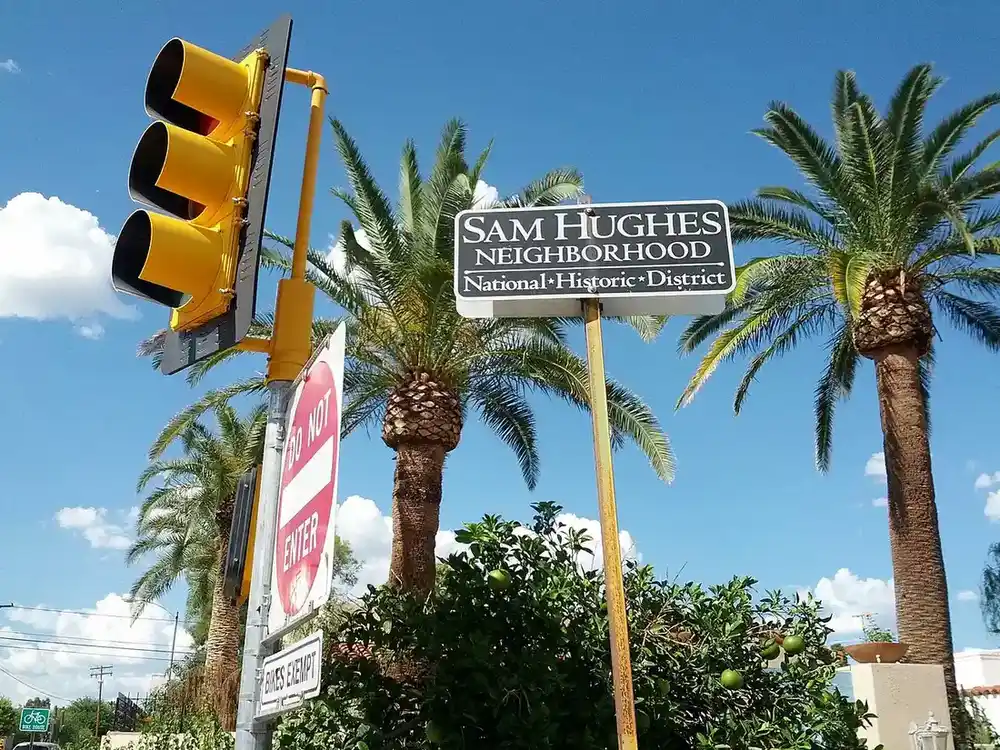
University Area does not sit alone on the map. It weathers the same heat as Sam Hughes, Downtown Tucson and Midtown Tucson - the same heat waves cross the valley, the same dust works the same coils, and the same seasons move through all of them within the same few weeks. The borders on the map are postal, not meteorological - the weather commutes freely, so the HVAC work has to think in neighborhoods, not addresses.
On the route map, University Area sits in the tucson neighborhood group, ZIP 85719 - close enough to Sam Hughes, Downtown Tucson that crews work them on the same runs. Crews working a route learn its systems - the repeat failures, the aging package units, the ducts that leak first - and heating repair gets better every run.
One thing this neighborhood teaches every crew that works it: the order matters. Diagnose the whole system, not the symptom that triggered the call - the warm room you feel is the end of a chain that started somewhere in the airflow, and repairing without that map buys the problem back within a season or two.
Prevention That Helps in University Area
- If the heat pump's air starts feeling cooler than usual, call early - weeks of silent backup-heat running is the expensive version.
- Fire the heating up in October, on a mild evening, and let it run a full cycle - faults found then are appointments, not emergencies.
- Change the filter before heating season; the same clogged filter starves a furnace exactly as it starves cooling.
Early-1900s bungalows and adobes, student rental houses and duplexes, and apartment stock in steady turnover.
Keep Exploring
Heating Repair nearby:
- Heating Repair in Sam Hughes
- Heating Repair in Downtown Tucson
- Heating Repair in Midtown Tucson
- Heating Repair in Armory Park
More services in University Area:
- Indoor Air Quality Services in University Area
- Emergency HVAC Service in University Area
- Duct Repair & Sealing in University Area
- Evaporative Cooler Service in University Area
See the full HVAC page for University Area and the Heating Repair overview for Tucson.
Heating Repair in University Area - Questions
My heat pump in University Area blows air that feels cold. Is it broken?
Maybe, maybe not. Heat pump air is cooler than furnace air by design - it heats gently rather than in blasts - so 'feels cool' alone is not a verdict. Air that gets colder over days, a unit icing heavily, or a winter bill that jumped says the system needs a look: charge and defrost faults are the usual finds.
Why does my University Area furnace run for a few minutes and stop?
That pattern - start, run briefly, stop, repeat - is a protection cycle. Flame sensors, limit switches and airflow faults all produce it. The furnace is not being stubborn; it is reporting a fault the safe way, and the repair reads which protection is speaking.
When is Heating Repair most needed in University Area?
Need follows the season and the neighborhood together: the heat months raise the baseline everywhere, and University Area's specific exposure - its elevation, its housing era, its equipment age - decides which weeks bite hardest. A local assessment reads both clocks at once.
An AC That Quit in the Heat, a Room That Will Not Cool or a System Due for Service?
One call connects you with an HVAC professional serving Tucson and the surrounding communities - assessment, repair, service and installation.
📞 Call Now