Swamp Cooler vs Refrigerated Air in Tucson: An Honest Guide
Neither technology wins outright: the cooler owns the dry months on running cost, refrigerated air owns the monsoon, and the house itself casts the deciding vote.
Read the Guide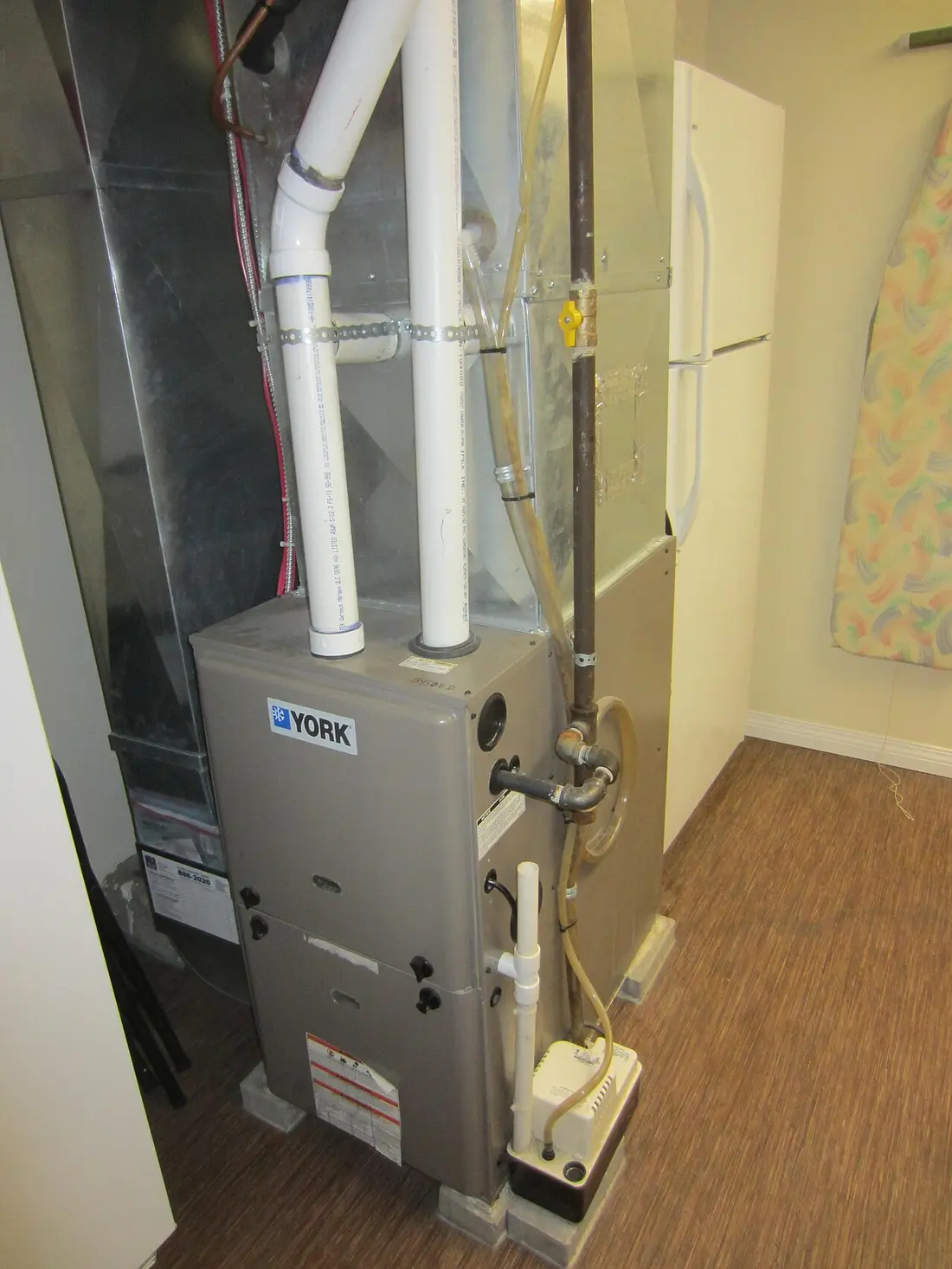
Replacement cost is scope, and scope is the house: capacity, system type, duct condition, access and electrical work each move the number more than the badge on the box does.
Problem: Replacement cost is scope, and scope is the house: capacity, system type, duct condition, access and electrical work each move the number more than the badge on the box does.
Solution: Compare written scopes for the same job - load calculation, duct work, commissioning included or not - because totals for different jobs are not comparable.
When to call: Call for a scoped assessment when the old system still runs and the conversation can be calm; planned projects price better than emergencies in every currency.
Ask five Tucson households what a replacement cost and you will hear five numbers with nothing in common but the noun. That is not evidence of a rigged market; it is evidence that 'an AC replacement' is not one job. This guide takes the price apart into the factors that actually compose it, so that the quotes you gather become comparable - and so the cheap one and the right one can be told apart before the equipment is on the roof.
The equipment stock matches the city's history: evaporative coolers on the oldest adobe and postwar housing, rooftop package units on the flat-roofed brick ranches of midtown and the east side, split systems in the subdivision decades, and heat pumps across the newer master-planned communities. Each carries its own Tucson fate - the cooler's monsoon limits, the package unit's baked roof life, the split system's attic ducts - and the pages here are organized around exactly that.
Capacity, efficiency class and type set the floor. A heat pump and a straight-cool system with a furnace are different machines at different prices; efficiency tiers climb in steps, each step buying lower summer bills with higher first cost - an arithmetic that depends on how long you will own both the house and the bills. Brand matters less than the industry's volume suggests: within the established makers, installation quality explains more of the next fifteen years than badge does.
What the equipment price never includes is the house. Two identical units leave the warehouse at the same price and land in Tucson homes as different projects - one a day-long swap onto sound ducts, one a three-day reconstruction of the air path. Quoting only the box is the industry's original sin, and the antidote is a scope that names the house's share of the job as plainly as the equipment's.
Duct condition is the largest honest variable. Sealing a sound system is a line item; replacing failed runs, adding a return, or correcting a choked layout is a project inside the project - and it is also where comfort is actually decided, since a perfect unit on ruined ducts delivers ruined comfort. Access runs second: a ground-level condenser and an open attic are one job; a rooftop package unit needing a crane, on a flat roof with parapets, is another, priced in equipment most homeowners forget exists until the quote reminds them.
Electrical and code complete the unglamorous ledger: panel capacity for the new load, disconnects and breakers to current code, permits and inspection. A quote silent on all of it is not leaner - it is incomplete, and the completion arrives later as change orders or, worse, as work never done. The scope that lists the boring parts is the scope that was written by someone who has done the job before.


The calendar is a cost factor with a sign that flips. Planned replacement in the mild months buys scheduling freedom, careful work and a house never left uncooled; the same project as a July emergency buys speed at emergency economics and installation conditions - an attic at noon - that no one would choose. Nothing about the equipment changes. The difference is the difference between shopping and surrendering, and it is decided by when the conversation starts.
Comparing quotes, then, is comparing scopes: the same load calculation, the same duct items, the same commissioning, or the totals are fiction. Ask each bidder what their number assumes about your ducts, your electrical and your home's load - and watch which ones answer with measurements and which with adjectives. The lowest complete quote is a bargain; the lowest quote for a job missing its middle is a down payment on a second project.
Lay the typical pair side by side. The low quote: equipment, a day, a handshake on the ducts. The complete quote: the same equipment, a load calculation, two duct items, a return added, the panel's capacity verified, commissioning numbers promised in writing. The second is not the first with padding; it is the first with its missing middle restored, and the middle is where comfort lives.
None of this indicts economy itself - a sound house with sound ducts honestly needs the smaller job, and a good bidder will say so and quote it. The skill being taught here is reading: the quote's silences are data, and the bidder's willingness to discuss them is the credential that no logo can substitute for.
A documented replacement - permits, load calculation, commissioning record - is part of the house's value story at sale, legible to inspectors and buyers alike; an undocumented one is a question mark with a new paint job. Owners planning to sell within the equipment's early years should weigh that record as a line in the project's return, because it is one.
And the cost nobody quotes is the failure's timing tax: the same project purchased in a heat-wave emergency, with the house uninhabitable and every bidder's schedule full. The least costly sentence in this guide is the boring one: the planned project is the economical project, even when the equipment is identical.
A furnace installation is best understood as a safety system that also makes heat. The deliverable is not the cabinet in the closet - it is combustion that lights reliably, exhausts completely, and never shares its gases with the house's air, verified by measurement on the day it is installed. Judged that way, the job's quality is measured in its invisible parts: venting, clearances, condensate, and the care of the person who tested them.
That is the service side of this guide's subject. When you are ready, the Furnace Installation & Replacement page carries the process, the coverage by neighborhood and the number to call.
Every bidder inspects the same house: load, ducts, electrical, access. Anything quoted without the inspection is a guess with a logo.
This is where quotes diverge honestly or hide silently. Make each bidder say what their price does to your air path.
Measured airflow and charge at start-up, recorded and handed over - a line item that separates installations from deliveries.
A planned project in a mild month against the same scope in emergency conditions - the difference is real, and it belongs in the decision, not as a surprise in it.
Get every quote on the same written scope - load, ducts, electrical, commissioning - before comparing a single total.
Ask each bidder what their number assumes about your ducts, and write the answer on the quote.
Photograph the existing installation and nameplates for every bidder; equal information makes comparable scopes.
a planned month is a line item in your favor.
When you request a replacement assessment, expect the scope document itself: the load calculation for your house, the duct findings itemized, electrical and access requirements stated, equipment options with their honest differences, and commissioning - measured airflow and charge at start-up - promised in writing.
You should also receive the alternatives accounting: repair-versus-replace for the incumbent system with its remaining-life reasoning, so the project's timing is as examined as its price.
A professional scope is a document before it is a number: load calculation attached, duct items named run by run, electrical and access stated, commissioning promised in numbers. The professional's tell is comfort with the document - the questions in this guide are welcomed, the silences in other quotes pointed out without theatrics. You are buying the scope's completeness; the equipment is the part any bidder can supply.
Accepting the quote given over the phone from the old unit's size: It prices a job nobody has seen, and the surprises bill at the worst rates.
Comparing totals without the duct and commissioning lines: The missing lines do not vanish; they reappear as change orders or as comfort that never arrives.
July's project buys what is available, not what the house needs, for the next fifteen years.
The saving is small, the record's absence permanent, and the inspection is part of what you are buying.
A replacement price is a scope wearing a number. Read the scope - load, ducts, access, commissioning - and the number becomes legible, comparable and negotiable in the only ways that matter. The households that do this once, calmly, buy fifteen summers of afternoons with the proceeds.
Neither technology wins outright: the cooler owns the dry months on running cost, refrigerated air owns the monsoon, and the house itself casts the deciding vote.
Read the GuideAn AC that runs without cooling is reporting a specific failure through a small set of symptoms - airflow, temperature split and the outdoor unit's behavior narrow it fast.
Read the GuideBecause they quoted different jobs. One scoped the ducts, the electrical and the commissioning; the other scoped a box swap. The totals look comparable and are not. Lay the scopes side by side - duct items, load calculation, start-up measurements - and the difference usually explains itself, in one direction or the other.
Tucson's long, heavy cooling season is the strongest case efficiency gets anywhere: the hours over which efficiency pays are enormous. But the arithmetic runs on your horizon - years in the house, the rate you pay, the ducts the system breathes through. On leaking ducts, sealing beats a tier jump; on sound ducts and a long horizon, the tiers earn. It is a calculation, and a good scope visit runs it with your numbers.
When both are old, usually: shared blower and air path, one project, matched commissioning. When the partner unit is young, no - replacing sound equipment to achieve symmetry is spending, not planning. The scope visit should show you both accountings; the honest answer differs by household, which is the point of asking.
The ductwork's verdict - followed closely by the crane nobody budgets for a rooftop swap, and the panel work a larger or different system requires. All three appear in complete scopes and ambush in incomplete ones. Forgetting them in the plan does not remove them from the project; it only moves them to the change order.
One call connects you with an HVAC professional serving Tucson and the surrounding communities - assessment, repair, service and installation.
📞 Call Now