Furnace Installation & Replacement Through the Tucson Year
Spring is the preparation season in Tucson, and everyone who has lived through a June here knows it. March through May is when systems get their honest read: refrigerant charge, airflow, duct condition, cooler pads and pumps - while the weather is still mild enough that a discovered problem is an appointment, not an emergency. The first 100-degree day usually arrives before May is out, and it collects every debt the spring skipped.
Tucson winters are mild with sharp edges: bright days in the sixties and seventies, desert nights that can drop below freezing, and cold snaps that test heat pumps and furnaces that slept all summer. Winter is a good service season here - heating checks, duct work and planned replacements happen without the summer queue - and the systems read in winter get their fixes long before the spring heat starts its own inspection.
Summer splits in two: the dry furnace of June and early July, when the heat is at its peak and systems run from mid-morning to past midnight, and the monsoon weeks that follow, when humidity joins the heat and the failure mode changes. Most breakdowns are discovered in summer - the wear happened across a decade of summers, and the hottest week is simply when the margin runs out. Shade, airflow and a clean coil are the season's quiet essentials.
Furnace Installation & Replacement in Depth
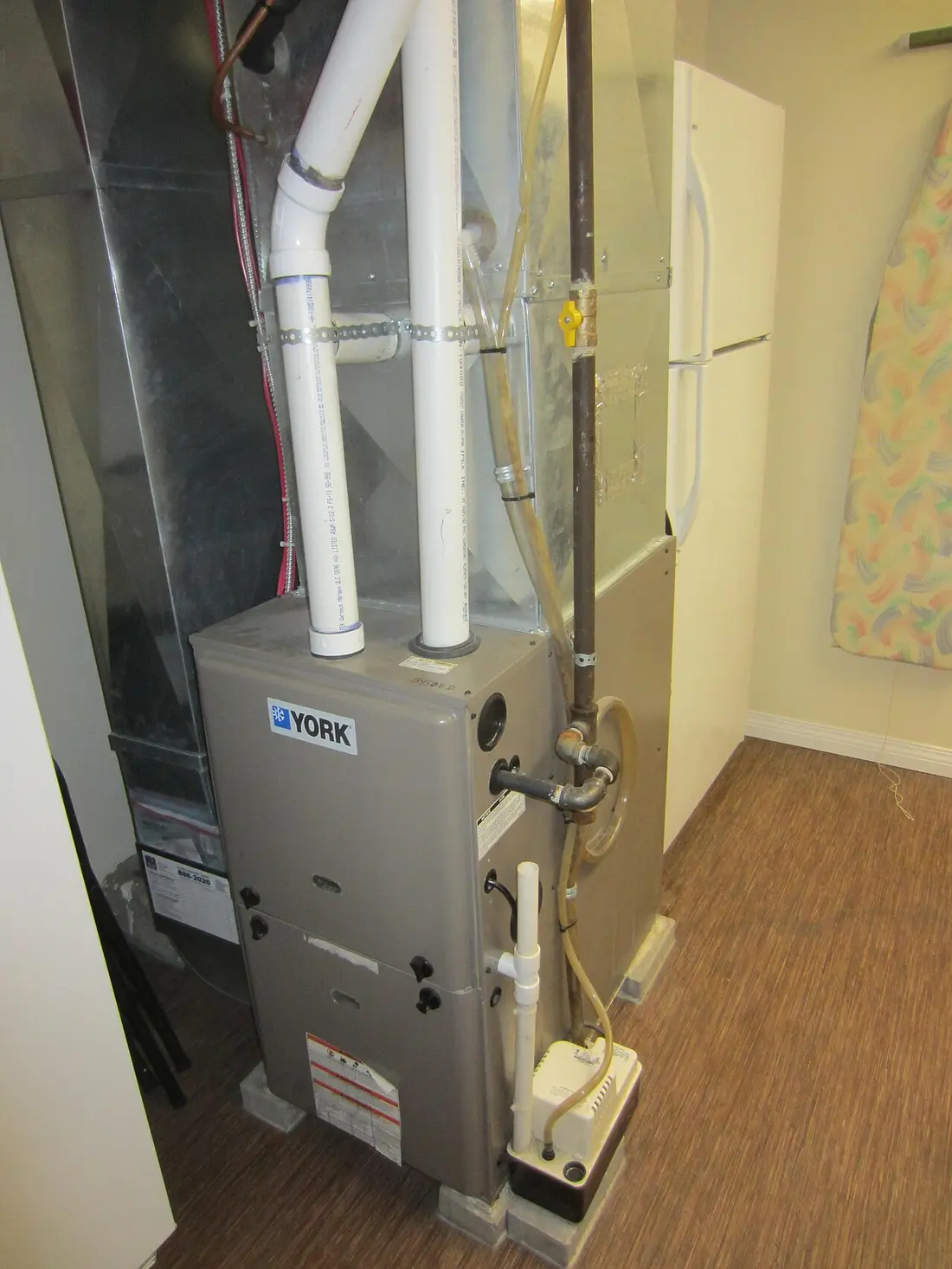
A furnace installation is best understood as a safety system that also makes heat. The deliverable is not the cabinet in the closet - it is combustion that lights reliably, exhausts completely, and never shares its gases with the house's air, verified by measurement on the day it is installed. Judged that way, the job's quality is measured in its invisible parts: venting, clearances, condensate, and the care of the person who tested them.
It is also the job where restraint in sizing pays the longest. Desert winters ask for a sprinter, not a weightlifter: a furnace matched to the real load runs calm, even cycles through the mild nights that make up most of the season, and saves its strength - and its heat exchanger's temper - for the genuine cold snaps. The oversized machine spends twenty winters short-cycling, which is the furnace equivalent of a life spent slamming doors.
Choosing the Right Help
Choosing a furnace installer is choosing a safety culture. Ask for the load calculation, the venting plan, and the commissioning tests - and listen for whether carbon monoxide protection for the home is part of the conversation or an afterthought. In heating, the thorough answer is the only acceptable one, and it is recognizable immediately: specifics, in writing, before the work.
The Climate Behind It
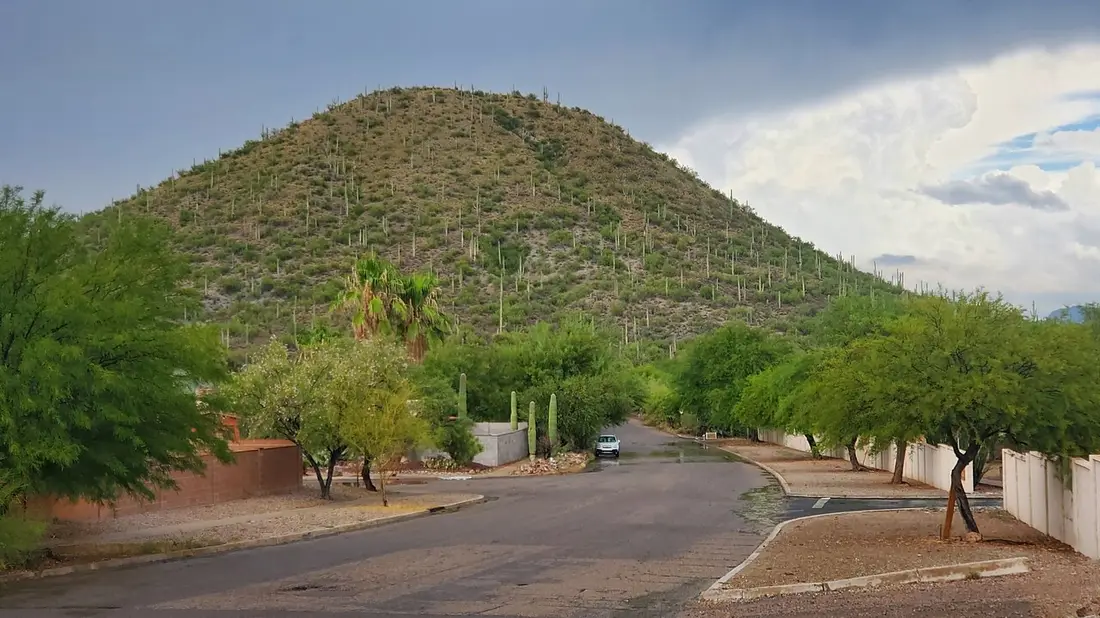
Tucson sits in the Sonoran Desert at the meeting of five mountain ranges, and the desert writes the cooling calendar here: a long, fierce summer in which June afternoons pass 110 degrees, a monsoon season that trades dry heat for humid heat overnight, and winters mild enough that heating is a supporting act. An air conditioner in Tucson is not a comfort appliance - for a large part of the year it is the system the house cannot be lived in without.
Heat load is the signature force. A Tucson roof in June absorbs sun from before nine until after six, attic temperatures climb far past anything the equipment below was tested at, and west-facing glass turns rooms into solar ovens by late afternoon. A system's real rating in this city is not its nameplate - it is what it still delivers at four in the afternoon in the third week of June, after a decade of desert summers.
How Furnace Installation & Replacement Works
Begin with the safety and load read
The old system's condition, the venting path, and the home's real heating load are established first - including the verdict on the heat exchanger, in plain language.
Scope the whole installation
Furnace, venting and combustion air, duct fixes in scope, thermostat, permits and the old unit's removal - one written job, not a box price.
Install and set up the combustion side
Gas, venting and condensate are set and tested to specification, with carbon monoxide protection confirmed in the home.
Commission through real cycles
The system is run through complete heating cycles, temperatures and airflow measured, thermostat programmed with you - verified, not assumed.
Doing It Yourself vs a Professional
The DIY Route
- Sizing the new furnace to the old one's nameplate repeats a guess made decades ago, for a different house in a different state of insulation
- Reusing questionable venting because 'it worked before' asks a new machine to trust an old path nobody has inspected
- Bargain installations that skip permits and combustion testing save money in the only currency heating should never trade in
VS
The Professional Route
- Leads with the safety read - heat exchanger, venting and combustion - and puts its findings in writing
- Sizes from the home's load, and explains why the right furnace here is rarely the biggest one
- Commissions the installation through measured cycles, and confirms the home's CO protection before leaving
Keep It From Coming Back
A furnace installation's safety and comfort are decided by choices made around the equipment as much as in it. These habits frame the project correctly from the start.
- Service heating every fall; a desert furnace's whole year of wear is small, but its failures are all scheduled for the coldest night.
- Keep a working carbon monoxide alarm on every level with sleeping rooms - replaced on its own manufacturer's clock.
- When a technician flags a heat exchanger, treat the verdict as final; there is no monitoring plan for a cracked one.
- Replace the filter on the heating side too - the same dust that taxes June taxes January.
- Plan the replacement while the old furnace still heats; a planned winter project beats a cold-snap emergency at every price that matters.